



- Afhalen na 1 uur in een winkel met voorraad
- In januari gratis thuislevering in België
- Ruim aanbod met 7 miljoen producten
- Afhalen na 1 uur in een winkel met voorraad
- In januari gratis thuislevering in België
- Ruim aanbod met 7 miljoen producten





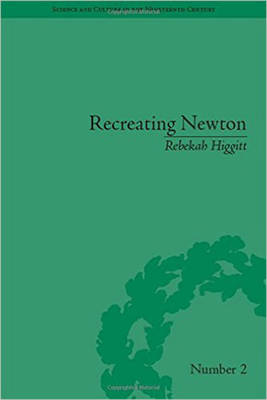
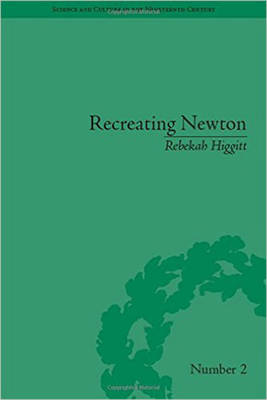
Recreating Newton
Newtonian Biography and the Making of Nineteenth-Century History of Science
Rebekah Higgitt
€ 68,95
+ 137 punten
Omschrijving
Higgitt examines Isaac Newton's changing legacy during the nineteenth century. She focuses on 1820-1870, a period that saw the creation of the specialized and secularized role of the "scientist." At the same time, researchers gained better access to Newton's archives. These were used both by those who wished to undermine the traditional, idealised depiction of scientific genius and those who felt obliged to defend Newtonian hagiography. Higgitt shows how debates about Newton's character stimulated historical scholarship and led to the development of a new expertise in the history of science.
Specificaties
Betrokkenen
- Auteur(s):
- Uitgeverij:
Inhoud
- Aantal bladzijden:
- 304
- Taal:
- Engels
- Reeks:
Eigenschappen
- Productcode (EAN):
- 9780822944775
- Verschijningsdatum:
- 1/01/2007
- Uitvoering:
- Hardcover
- Formaat:
- Genaaid
- Afmetingen:
- 152 mm x 229 mm


Alleen bij Standaard Boekhandel
+ 137 punten op je klantenkaart van Standaard Boekhandel
Cadeau

AANGERADEN


Beoordelingen
We publiceren alleen reviews die voldoen aan de voorwaarden voor reviews. Bekijk onze voorwaarden voor reviews.