


- Afhalen na 1 uur in een winkel met voorraad
- Gratis thuislevering in België vanaf € 30
- Ruim aanbod met 7 miljoen producten
- Afhalen na 1 uur in een winkel met voorraad
- Gratis thuislevering in België vanaf € 30
- Ruim aanbod met 7 miljoen producten





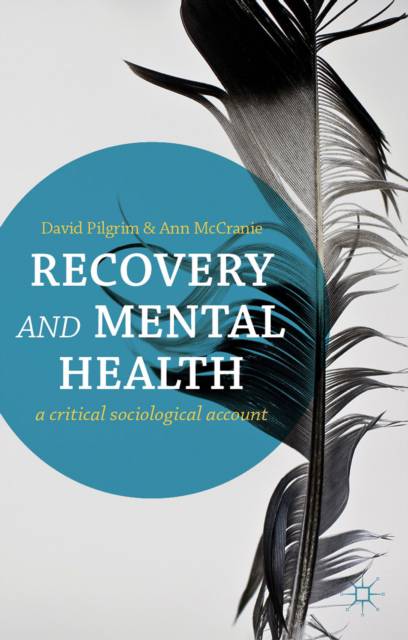
Recovery and Mental Health
A Critical Sociological Account
David Pilgrim, Ann McCranie
Paperback | Engels
€ 40,95
+ 81 punten
Omschrijving
For most of us, the term 'recovery' in mental health implies hope and normality for those suffering from emotional distress. It is understandable why recovery has therefore become a significant goal for mental health services.
But what does recovery mean for those who are struggling to see it through? Is the emphasis on recovery always a positive thing. This book takes a critical sociological look at personal and public assumptions and understandings. In particular: - It explores what the recovery movement signifies today, offering readers a critical, reflexive view of its scientific, policy and political consequences- It considers what recovery means from social, medical and patient perspectives, and the implications of these conflicting views
- It reveals some of the risks and benefits for people with mental health problems encountering a system that expects them to recover Offering a comprehensive and thought-provoking overview of the concept of recovery from mental illness, this book is a must-have for students studying mental health across a range of subjects, including sociology, social work, psychology and nursing.
Specificaties
Betrokkenen
- Auteur(s):
- Uitgeverij:
Inhoud
- Aantal bladzijden:
- 280
- Taal:
- Engels
Eigenschappen
- Productcode (EAN):
- 9780230291386
- Verschijningsdatum:
- 18/10/2013
- Uitvoering:
- Paperback
- Formaat:
- Trade paperback (VS)
- Afmetingen:
- 137 mm x 213 mm
- Gewicht:
- 340 g


Alleen bij Standaard Boekhandel
+ 81 punten op je klantenkaart van Standaard Boekhandel
Cadeau

AANGERADEN


Beoordelingen
We publiceren alleen reviews die voldoen aan de voorwaarden voor reviews. Bekijk onze voorwaarden voor reviews.