


- Afhalen na 1 uur in een winkel met voorraad
- Gratis thuislevering in België vanaf € 30
- Ruim aanbod met 7 miljoen producten
- Afhalen na 1 uur in een winkel met voorraad
- Gratis thuislevering in België vanaf € 30
- Ruim aanbod met 7 miljoen producten





€ 305,45
+ 610 punten
Uitvoering
Eenvoudig bestellen
Veilig betalen


Gratis thuislevering vanaf € 30 (via bpost)
Gratis levering in je Standaard Boekhandel
Omschrijving
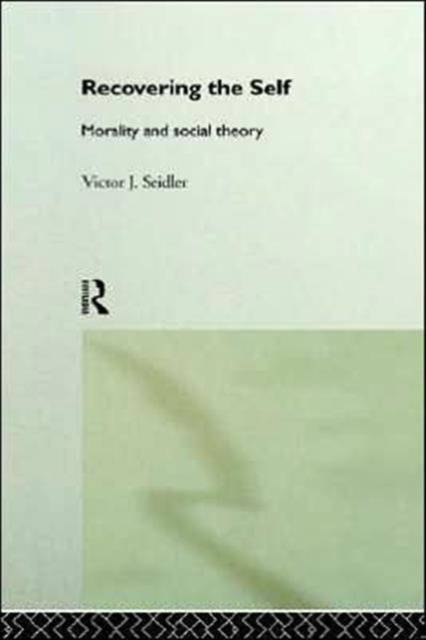
This important book seeks to place questions of morality and justice at the heart of social theory. By exploring the works of Marx, Durkheim and Weber it shows the hidden complexities of a modernity too often identified with a unified vision of the rational self later to fall apart into fragments within postmodernity. Reinstating the body and emotional life, Seidler sets new terms for respect and equality showing ways the self is undermined in its sense of self-worth and adequacy through the workings of relationships of power and subordination. Drawing upon feminism and Critical Theory to question the allegedly straightforward opposition between "essentialism" and "social constructionism" Seidler places the issues of morality right into the centre of "the self problem". Through reinstating connections between the self and the historical adventures of socialism, feminism, masculinity, ethnicity, and - autobiographically - Jewish identity, he shows the intimate affinity between these different categories of experience. Identities are not "freely chosen" but involve a coming to terms with histories of class, race and gender. Critical of postmodern theories in which anyhting goes and in which everything you see is relative, this book is concerned with the reassertion of value and recovering a viable tradition in which we can again explore issues of freedom and social justice. Our discussions have turned increasingly esoteric as they have sheltered in an intellectual cage which has been difficult to enter. This book seeks to open-up the cage and re-establish the suspended conversation between social theory and the concerns of everyday life.
Specificaties
Betrokkenen
- Auteur(s):
- Uitgeverij:
Inhoud
- Aantal bladzijden:
- 256
- Taal:
- Engels
Eigenschappen
- Productcode (EAN):
- 9780415111508
- Verschijningsdatum:
- 10/11/1994
- Uitvoering:
- Hardcover
- Formaat:
- Genaaid
- Afmetingen:
- 156 mm x 234 mm
- Gewicht:
- 535 g



Alleen bij Standaard Boekhandel
+ 610 punten op je klantenkaart van Standaard Boekhandel
CADEAU

AANGERADEN


Beoordelingen
We publiceren alleen reviews die voldoen aan de voorwaarden voor reviews. Bekijk onze voorwaarden voor reviews.