


- Afhalen na 1 uur in een winkel met voorraad
- Gratis thuislevering in België vanaf € 30
- Ruim aanbod met 7 miljoen producten
- Afhalen na 1 uur in een winkel met voorraad
- Gratis thuislevering in België vanaf € 30
- Ruim aanbod met 7 miljoen producten





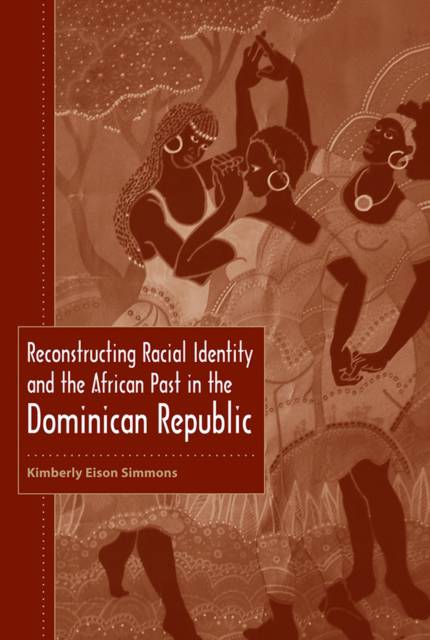
Reconstructing Racial Identity and the African Past in the Dominican Republic
Kimberly Eison Simmons
€ 38,45
+ 76 punten
Eenvoudig bestellen
Veilig betalen


Gratis thuislevering vanaf € 30 (via bpost)
Gratis levering in je Standaard Boekhandel
Omschrijving
"Documents a seismic shift in Dominican identity over the last two decades which the author argues is the result of contact with the U.S.; that Dominicans have moved away from seeing themselves as indio and increasingly self-identify as Black."--Robin Derby, University of California, Los Angeles In Latin America and the Caribbean, racial issues are extremely complex and fluid, particularly the nature of "blackness." What it means to be called "black" is still very different for an African American living in the United States than it is for an individual in the Dominican Republic with an African ancestry. Racial categories were far from concrete as the Dominican populace grew, altered, and solidified around the present notions of identity. Kimberly Simmons explores the fascinating socio-cultural shifts in Dominicans' racial categories, concluding that Dominicans are slowly embracing blackness and ideas of African ancestry. Simmons also examines the movement of individuals between the Dominican Republic and the United States, where traditional notions of indio are challenged, debated, and called into question. How and why Dominicans define their racial identities reveal shifting coalitions between Caribbean peoples and African Americans, and proves intrinsic to understanding identities in the African diaspora. Kimberly Eison Simmons, president of the Association of Black Anthropologists, is assistant professor of anthropology and African American studies at the University of South Carolina.
Specificaties
Betrokkenen
- Auteur(s):
- Uitgeverij:
Inhoud
- Aantal bladzijden:
- 176
- Taal:
- Engels
- Reeks:
Eigenschappen
- Productcode (EAN):
- 9780813036755
- Verschijningsdatum:
- 10/01/2011
- Uitvoering:
- Paperback
- Formaat:
- Trade paperback (VS)
- Afmetingen:
- 152 mm x 226 mm
- Gewicht:
- 235 g



Alleen bij Standaard Boekhandel
+ 76 punten op je klantenkaart van Standaard Boekhandel
CADEAU

AANGERADEN


Beoordelingen
We publiceren alleen reviews die voldoen aan de voorwaarden voor reviews. Bekijk onze voorwaarden voor reviews.