



- Afhalen na 1 uur in een winkel met voorraad
- In januari gratis thuislevering in België
- Ruim aanbod met 7 miljoen producten
- Afhalen na 1 uur in een winkel met voorraad
- In januari gratis thuislevering in België
- Ruim aanbod met 7 miljoen producten





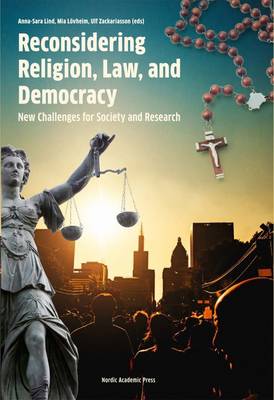
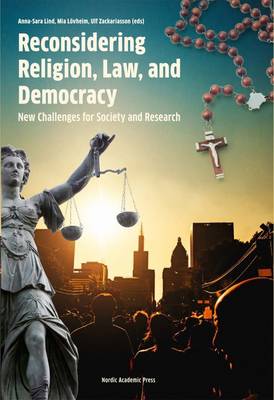
Reconsidering Religion, Law, and Democracy
New Challenges for Society and Research
Hardcover | Engels
€ 44,95
+ 89 punten
Omschrijving
How are Western, mostly secular, societies handling religion in its increasingly pluralistic and complex forms? What different forms of interactions between and negotiations of religion and religious beliefs can we see in contemporary society? What are the primary contenders in these interactions and negotiations? The authors of Religion, Law and Democracy give ample examples of a variety of interaction processes between different expressions of religion and different spheres of society, such as the media, the judicial systems and state administration and policy. The authors primarily approach these questions from a North European but also to some extent a global perspective. A common denominator is a dynamic perspective on the relation between religious organizations, society and the individual actors - in other words how all of these levels are interconnected and transformed in these processes.
Specificaties
Betrokkenen
- Uitgeverij:
Inhoud
- Aantal bladzijden:
- 272
- Taal:
- Engels
Eigenschappen
- Productcode (EAN):
- 9789188168238
- Verschijningsdatum:
- 4/01/2016
- Uitvoering:
- Hardcover
- Formaat:
- Genaaid
- Afmetingen:
- 145 mm x 221 mm
- Gewicht:
- 539 g

Alleen bij Standaard Boekhandel
+ 89 punten op je klantenkaart van Standaard Boekhandel
Cadeau

AANGERADEN


Beoordelingen
We publiceren alleen reviews die voldoen aan de voorwaarden voor reviews. Bekijk onze voorwaarden voor reviews.