


- Afhalen na 1 uur in een winkel met voorraad
- Gratis thuislevering in België vanaf € 30
- Ruim aanbod met 7 miljoen producten
- Afhalen na 1 uur in een winkel met voorraad
- Gratis thuislevering in België vanaf € 30
- Ruim aanbod met 7 miljoen producten





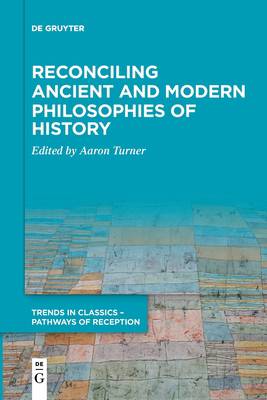
Reconciling Ancient and Modern Philosophies of History
€ 36,45
+ 72 punten
Omschrijving
The distinction between ancient and modern modes of historical thought is characterized by the growing complexity of the discipline of history in modernity. Consequently, the epistemological and methodological standard of ancient historiography is typically held as inferior against the modern ideal. This book serves to address this apparent deficit. Its scope is three-fold. Firstly, it aims at encountering ancient modes of historical and historiographical thought within the province of their own horizon. Secondly, this book considers the possibility of a dialogue between ancient and modern philosophies of history concerning the influence of ancient historical thought on the development of modern philosophy of history and the utility of modern philosophy of history in the interpretation of ancient historiography. Thirdly, this book explores the continuities and discontinuities in historical method and thought from antiquity to modernity. Ultimately, this volume demonstrates the necessity of re-evaluating our assumptions about the relation of ancient and modern historical thought and lays the groundwork for a more fruitful dialogue in the future.
Specificaties
Betrokkenen
- Uitgeverij:
Inhoud
- Aantal bladzijden:
- 378
- Taal:
- Engels
- Reeks:
- Reeksnummer:
- nr. 3
Eigenschappen
- Productcode (EAN):
- 9783110995909
- Verschijningsdatum:
- 18/07/2022
- Uitvoering:
- Paperback
- Formaat:
- Trade paperback (VS)
- Afmetingen:
- 156 mm x 234 mm
- Gewicht:
- 580 g

Alleen bij Standaard Boekhandel
+ 72 punten op je klantenkaart van Standaard Boekhandel
Cadeau

AANGERADEN


Beoordelingen
We publiceren alleen reviews die voldoen aan de voorwaarden voor reviews. Bekijk onze voorwaarden voor reviews.