



Bedankt voor het vertrouwen het afgelopen jaar! Om jou te bedanken bieden we GRATIS verzending (in België) aan op alles gedurende de hele maand januari.
- Afhalen na 1 uur in een winkel met voorraad
- In januari gratis thuislevering in België
- Ruim aanbod met 7 miljoen producten
Bedankt voor het vertrouwen het afgelopen jaar! Om jou te bedanken bieden we GRATIS verzending (in België) aan op alles gedurende de hele maand januari.
- Afhalen na 1 uur in een winkel met voorraad
- In januari gratis thuislevering in België
- Ruim aanbod met 7 miljoen producten





€ 105,45
+ 210 punten
Omschrijving
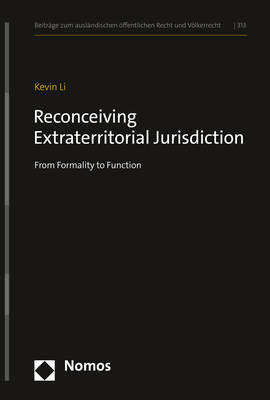
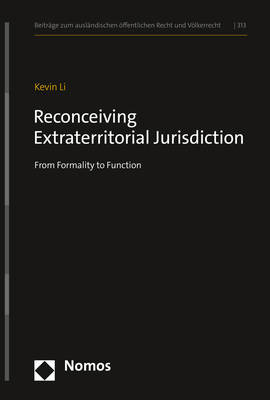
Despite the century-long reiteration of the principle of territorial sovereignty, States are increasingly resorting to extraterritorial jurisdiction. This book comparatively analyses this phenomenon in US and European practice in the areas of economic sanctions, export control, anti-corruption and business & human rights. It makes the case that the territoriality-based system of jurisdiction is inadequate for allocating regulatory competences between States in international practice. As a result, this book proposes a new approach to conceptualizing jurisdiction by moving away from formal territoriality and towards considering extraterritorial jurisdiction from its function as an exercise of public authority.
Specificaties
Betrokkenen
- Auteur(s):
- Uitgeverij:
Inhoud
- Aantal bladzijden:
- 368
- Taal:
- Engels
- Reeks:
- Reeksnummer:
- nr. 313
Eigenschappen
- Productcode (EAN):
- 9783848789849
- Uitvoering:
- Hardcover
- Afmetingen:
- 156 mm x 25 mm
- Gewicht:
- 614 g


Alleen bij Standaard Boekhandel
+ 210 punten op je klantenkaart van Standaard Boekhandel
SOLDEN


Beoordelingen
We publiceren alleen reviews die voldoen aan de voorwaarden voor reviews. Bekijk onze voorwaarden voor reviews.