


- Afhalen na 1 uur in een winkel met voorraad
- Gratis thuislevering in België vanaf € 30
- Ruim aanbod met 7 miljoen producten
- Afhalen na 1 uur in een winkel met voorraad
- Gratis thuislevering in België vanaf € 30
- Ruim aanbod met 7 miljoen producten





€ 37,45
+ 74 punten
Uitvoering
Omschrijving
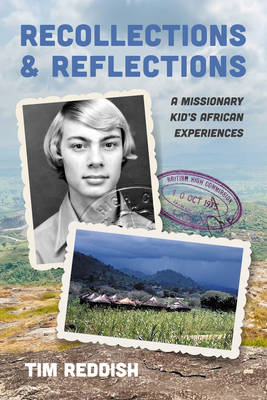
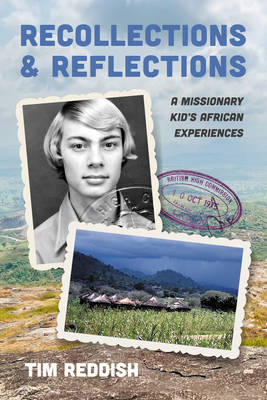
What was it like to be a missionary kid (MK) in rural Africa fifty years ago? And how does that experience shape a person's adult life on returning to the West? In this engaging memoir, the author addresses those questions--and many others--through the retelling of various childhood experiences and unusual adventures in northern Nigeria, along with a vivid description of life in a boarding school for MKs. He recounts tales of road trips and hikes, of snakes, baboons, and hippopotami, and of being caught out in a ferocious sandstorm . . . . At one point he visited a remote community that had never seen a white boy before! In addition, Tim Reddish reflects on the legacy of his parents' missionary activities in the context of the recent devastation caused by the militant group Boko Haram. He also briefly explores important broader issues, such as the relationship between British missionaries and colonialism and the enduring theological influence of missionaries on the Nigerian church. These timely reflections bring a contemporary element to those historical missionary activities, making them of further relevance for today.
Specificaties
Betrokkenen
- Auteur(s):
- Uitgeverij:
Inhoud
- Aantal bladzijden:
- 114
- Taal:
- Engels
Eigenschappen
- Productcode (EAN):
- 9798385250400
- Verschijningsdatum:
- 14/07/2025
- Uitvoering:
- Hardcover
- Formaat:
- Genaaid
- Afmetingen:
- 140 mm x 216 mm
- Gewicht:
- 281 g


Alleen bij Standaard Boekhandel
+ 74 punten op je klantenkaart van Standaard Boekhandel
Cadeau

AANGERADEN


Beoordelingen
We publiceren alleen reviews die voldoen aan de voorwaarden voor reviews. Bekijk onze voorwaarden voor reviews.