


- Afhalen na 1 uur in een winkel met voorraad
- Gratis thuislevering in België vanaf € 30
- Ruim aanbod met 7 miljoen producten
- Afhalen na 1 uur in een winkel met voorraad
- Gratis thuislevering in België vanaf € 30
- Ruim aanbod met 7 miljoen producten





€ 36,95
+ 73 punten
Eenvoudig bestellen
Veilig betalen


Gratis thuislevering vanaf € 30 (via bpost)
Gratis levering in je Standaard Boekhandel
Omschrijving
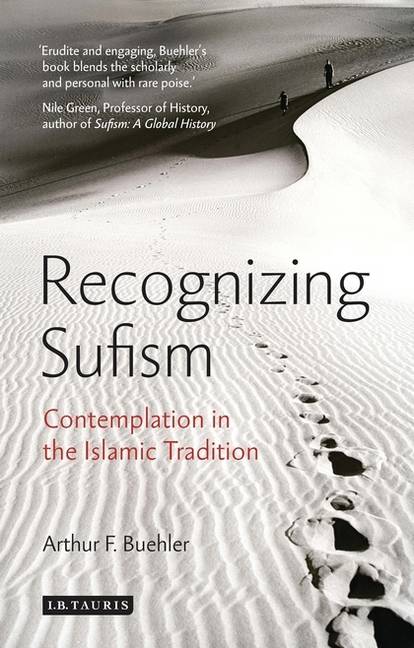
Sufism is all too often associated just with 'mysticism' in the West. The author of this new textbook, a former pupil of Annemarie Schimmel, suggests that conflating Sufism and mysticism is only partially valid. He shows that the vast majority of Sufi practice, both historically and in the contemporary world, has little or nothing to do with a esoteric transcendence but is rather focused on contemplative activity. Such practice might involve art, music, devotional shrine visitation - even politics and psychology. Placing Sufism in a wider Islamic contemplative context enables Arthur F Buehler to examine Sufi history, as well as current application, against a backdrop that is richer and more inclusive than that portrayed in many competing introductory surveys. Discussing the origins of Sufism; the development of Sufi lineages (via three founder figures); Sufi lodges and the role of Sufism in colonial resistance; Sufi poetry; Sufi shrines, and Sufism in the West, the author rescues his topic from the idea that it means only union with the divine. In this original new treatment, Sufism emerges as complex and multi-layered.
Specificaties
Betrokkenen
- Auteur(s):
- Uitgeverij:
Inhoud
- Aantal bladzijden:
- 256
- Taal:
- Engels
- Reeks:
Eigenschappen
- Productcode (EAN):
- 9781848857902
- Verschijningsdatum:
- 30/11/2016
- Uitvoering:
- Paperback
- Formaat:
- Trade paperback (VS)
- Afmetingen:
- 147 mm x 213 mm
- Gewicht:
- 326 g



Alleen bij Standaard Boekhandel
+ 73 punten op je klantenkaart van Standaard Boekhandel
CADEAU

AANGERADEN


Beoordelingen
We publiceren alleen reviews die voldoen aan de voorwaarden voor reviews. Bekijk onze voorwaarden voor reviews.