


- Afhalen na 1 uur in een winkel met voorraad
- Gratis thuislevering in België vanaf € 30
- Ruim aanbod met 7 miljoen producten
- Afhalen na 1 uur in een winkel met voorraad
- Gratis thuislevering in België vanaf € 30
- Ruim aanbod met 7 miljoen producten





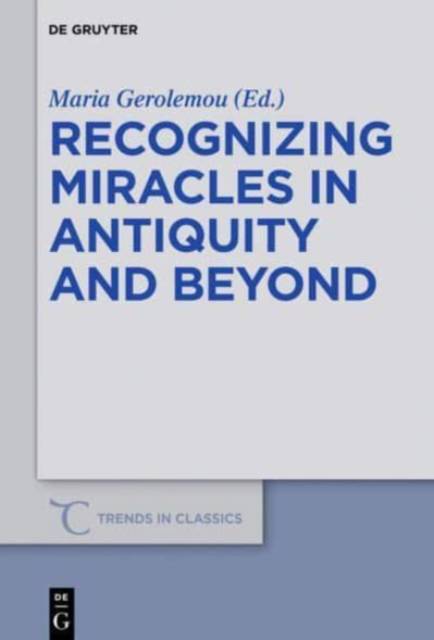
Recognizing Miracles in Antiquity and Beyond
€ 179,45
+ 358 punten
Omschrijving
In recent years, scholars have extensively explored the function of the miraculous and wondrous in ancient narratives, mostly pondering on how ancient authors view wondrous accounts, i.e. the treatment of the descriptions of wondrous occurrences as true events or their use. More precisely, these narratives investigate whether the wondrous pursues a display of erudition or merely provides stylistic variety; sometimes, such narratives even represent the wish of the author to grant a "rational explanation" to extraordinary actions. At present, however, two aspects of the topic have not been fully examined: a) the ability of the wondrous/miraculous to set cognitive mechanisms in motion and b) the power of the wondrous/miraculous to contribute to the construction of an authorial identity (that of kings, gods, or narrators). To this extent, the volume approaches miracles and wonders as counter intuitive phenomena, beyond cognitive grasp, which challenge the authenticity of human experience and knowledge and push forward the frontiers of intellectual and aesthetic experience. Some of the articles of the volume examine miracles on the basis of bewilderment that could lead to new factual knowledge; the supernatural is here registered as something natural (although strange); the rest of the articles treat miracles as an endpoint, where human knowledge stops and the unknown divine begins (here the supernatural is confirmed). Thence, questions like whether the experience of a miracle or wonder as a counter intuitive phenomenon could be part of long-term memory, i.e. if miracles could be transformed into solid knowledge and what mental functions are encompassed in this process, are central in the discussion.
Specificaties
Betrokkenen
- Uitgeverij:
Inhoud
- Aantal bladzijden:
- 450
- Taal:
- Engels
- Reeks:
- Reeksnummer:
- nr. 53
Eigenschappen
- Productcode (EAN):
- 9783110530469
- Verschijningsdatum:
- 23/04/2018
- Uitvoering:
- Hardcover
- Formaat:
- Genaaid
- Afmetingen:
- 160 mm x 234 mm
- Gewicht:
- 771 g

Alleen bij Standaard Boekhandel
+ 358 punten op je klantenkaart van Standaard Boekhandel
Cadeau

AANGERADEN


Beoordelingen
We publiceren alleen reviews die voldoen aan de voorwaarden voor reviews. Bekijk onze voorwaarden voor reviews.