


- Afhalen na 1 uur in een winkel met voorraad
- Gratis thuislevering in België vanaf € 30
- Ruim aanbod met 7 miljoen producten
- Afhalen na 1 uur in een winkel met voorraad
- Gratis thuislevering in België vanaf € 30
- Ruim aanbod met 7 miljoen producten





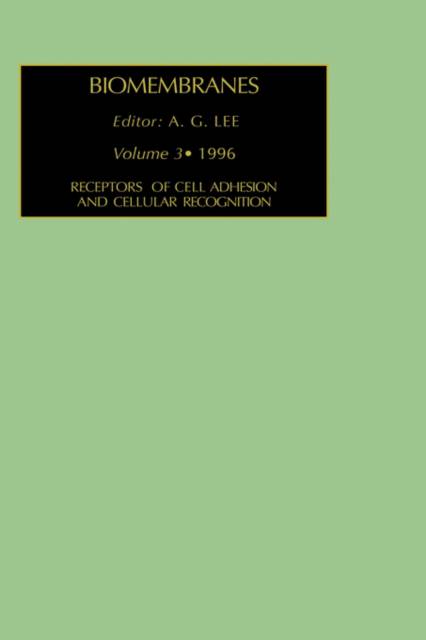
Receptors of Cell Adhesion and Cellular Recognition
Volume 3
€ 177,95
+ 355 punten
Omschrijving
Volume 3 of Biomembranes covers receptors of cell adhesion and cellular recognition. Proteins in the plasma membrane of cells are heavily involved in processes of cell adhesion, but such proteins were not actually isolated and characterized until the mid-1970s. Since then, application of the methods of molecular biology has led to the recognition of four major classes of cell adhesion molecule (CAMs), the immunoglobulin super family, the cadherins, the integrins, and the selecting. A convenient system in which to study the importance of cell adhesion is in blood platelets where aggregation eventually leads to thrombus formation in a process involving a range of surface glycoproteins. Interaction with the extracellular matrix is exemplified by CD44, the receptor for hyaluronan, and a complex carbohydrate that is a major component of the extracellular matrix surrounding migrating and proliferating cells. Membrane-associated mucins have a variety of effects on cell adhesion. The super family of immunoglobulin related proteins also include the T cell receptors and the major histocompatibility complex (MHC), which, together with the receptors for immunoglobulins (the Fc receptors), are of fundamental importance in the processes of immunity. Volume 3 of Biomembranes explores the structures and functions of the molecules involved in these important functions of the cell.
Specificaties
Betrokkenen
- Uitgeverij:
Inhoud
- Aantal bladzijden:
- 319
- Taal:
- Engels
- Reeks:
- Reeksnummer:
- nr. 3
Eigenschappen
- Productcode (EAN):
- 9781559386609
- Verschijningsdatum:
- 25/10/1996
- Uitvoering:
- Hardcover
- Formaat:
- Genaaid
- Afmetingen:
- 156 mm x 234 mm
- Gewicht:
- 639 g

Alleen bij Standaard Boekhandel
+ 355 punten op je klantenkaart van Standaard Boekhandel
Cadeau

AANGERADEN


Beoordelingen
We publiceren alleen reviews die voldoen aan de voorwaarden voor reviews. Bekijk onze voorwaarden voor reviews.