


- Afhalen na 1 uur in een winkel met voorraad
- Gratis thuislevering in België vanaf € 30
- Ruim aanbod met 7 miljoen producten
- Afhalen na 1 uur in een winkel met voorraad
- Gratis thuislevering in België vanaf € 30
- Ruim aanbod met 7 miljoen producten





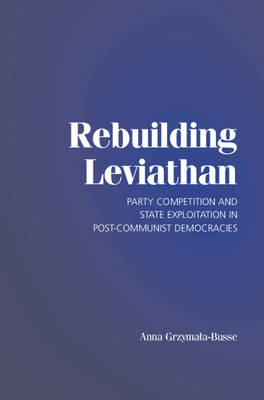
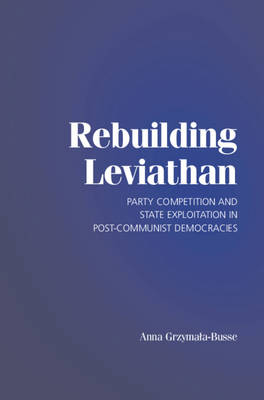
Rebuilding Leviathan
Party Competition and State Exploitation in Post-Communist Democracies
Anna Grzymala-Busse
€ 112,45
+ 224 punten
Uitvoering
Eenvoudig bestellen
Veilig betalen


Gratis thuislevering vanaf € 30 (via bpost)
Gratis levering in je Standaard Boekhandel
Omschrijving
Why do some governing parties limit their opportunistic behavior and constrain the extraction of private gains from the state? This analysis of post-communist state reconstruction provides surprising answers to this fundamental question of party politics. Across the post-communist democracies, governing parties have opportunistically reconstructed the state - simultaneously exploiting it by extracting state resources and building new institutions that further such extraction. They enfeebled or delayed formal state institutions of monitoring and oversight, established new discretionary structures of state administration, and extracted enormous informal profits from the privatization of the communist economy. By examining how post-communist political parties rebuilt the state in Bulgaria, the Czech Republic, Estonia, Hungary, Latvia, Lithuania, Poland, Slovakia, and Slovenia, Grzymala-Busse explains how even opportunistic political parties will limit their corrupt behavior and abuse of state resources when faced with strong political competition.
Specificaties
Betrokkenen
- Auteur(s):
- Uitgeverij:
Inhoud
- Aantal bladzijden:
- 296
- Taal:
- Engels
- Reeks:
Eigenschappen
- Productcode (EAN):
- 9780521873963
- Verschijningsdatum:
- 9/04/2007
- Uitvoering:
- Hardcover
- Formaat:
- Genaaid
- Afmetingen:
- 160 mm x 234 mm
- Gewicht:
- 517 g


Alleen bij Standaard Boekhandel
+ 224 punten op je klantenkaart van Standaard Boekhandel
CADEAU

AANGERADEN


Beoordelingen
We publiceren alleen reviews die voldoen aan de voorwaarden voor reviews. Bekijk onze voorwaarden voor reviews.