


- Afhalen na 1 uur in een winkel met voorraad
- Gratis thuislevering in België vanaf € 30
- Ruim aanbod met 7 miljoen producten
- Afhalen na 1 uur in een winkel met voorraad
- Gratis thuislevering in België vanaf € 30
- Ruim aanbod met 7 miljoen producten





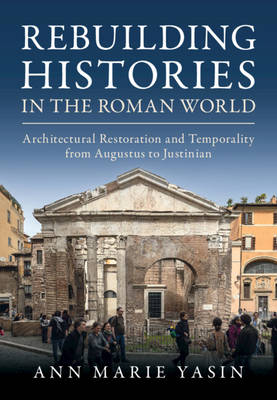
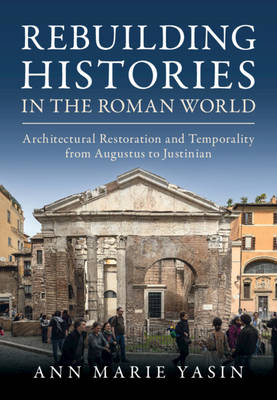
Rebuilding Histories in the Roman World
Architectural Restoration and Temporality from Augustus to Justinian
Ann Marie Yasin
Hardcover | Engels
€ 245,45
+ 490 punten
Omschrijving
In this book, Ann Marie Yasin reveals the savvy and subtle ways in which Roman and late Roman patrons across the Mediterranean modulated connections to the past and expectations for the future through their material investments in old architecture. Then as now, reactivation and modification of previously built structures required direct engagement with issues of tradition and novelty, longevity and ephemerality, security and precarity - in short, with how time is perceived in the built environment. The book argues that Roman patrons and audiences were keenly sensitive to all of these issues. It traces spatial and decorative configurations of rebuilt structures, including temples and churches, civic and entertainment buildings, roads and aqueducts, as well as the ways such projects were marked and celebrated through ritual and monumental text. In doing so, Yasin charts how local communities engaged with the time of their buildings at a material, experiential level over the course of the first six centuries CE.
Specificaties
Betrokkenen
- Auteur(s):
- Uitgeverij:
Inhoud
- Aantal bladzijden:
- 542
- Taal:
- Engels
Eigenschappen
- Productcode (EAN):
- 9781009564700
- Verschijningsdatum:
- 11/12/2025
- Uitvoering:
- Hardcover
- Formaat:
- Genaaid
- Afmetingen:
- 170 mm x 234 mm
- Gewicht:
- 1088 g


Alleen bij Standaard Boekhandel
+ 490 punten op je klantenkaart van Standaard Boekhandel
Cadeau

AANGERADEN


Beoordelingen
We publiceren alleen reviews die voldoen aan de voorwaarden voor reviews. Bekijk onze voorwaarden voor reviews.