



- Afhalen na 1 uur in een winkel met voorraad
- In januari gratis thuislevering in België
- Ruim aanbod met 7 miljoen producten
- Afhalen na 1 uur in een winkel met voorraad
- In januari gratis thuislevering in België
- Ruim aanbod met 7 miljoen producten





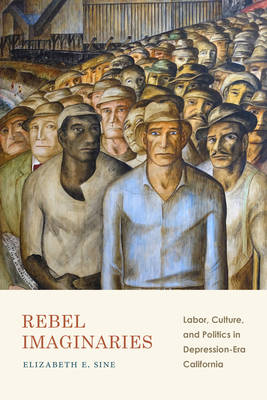
Omschrijving
During the Great Depression, California became a wellspring for some of the era's most inventive and imaginative political movements. In response to the global catastrophe, the multiracial laboring populations who formed the basis of California's economy gave rise to an oppositional culture that challenged the modes of racialism, nationalism, and rationalism that had guided modernization during preceding decades. In Rebel Imaginaries Elizabeth E. Sine tells the story of that oppositional culture's emergence, revealing how aggrieved Californians asserted political visions that embraced difference, fostered a sense of shared vulnerability, and underscored the interconnectedness and interdependence of global struggles for human dignity. From the Imperial Valley's agricultural fields to Hollywood, seemingly disparate communities of African American, Native American, Mexican, Filipinx, Asian, and White working-class people were linked by their myriad struggles against Depression-era capitalism and patterns of inequality and marginalization. In tracing the diverse coalition of those involved in labor strikes, citizenship and immigration reform, and articulating and imagining freedom through artistic practice, Sine demonstrates that the era's social movements were far more heterogeneous, multivalent, and contested than previously understood.
Specificaties
Betrokkenen
- Auteur(s):
- Uitgeverij:
Inhoud
- Aantal bladzijden:
- 320
- Taal:
- Engels
Eigenschappen
- Productcode (EAN):
- 9781478011378
- Verschijningsdatum:
- 8/01/2021
- Uitvoering:
- Paperback
- Formaat:
- Trade paperback (VS)
- Afmetingen:
- 152 mm x 229 mm
- Gewicht:
- 421 g


Alleen bij Standaard Boekhandel
+ 88 punten op je klantenkaart van Standaard Boekhandel
Cadeau

AANGERADEN


Beoordelingen
We publiceren alleen reviews die voldoen aan de voorwaarden voor reviews. Bekijk onze voorwaarden voor reviews.