


- Afhalen na 1 uur in een winkel met voorraad
- Gratis thuislevering in België vanaf € 30
- Ruim aanbod met 7 miljoen producten
- Afhalen na 1 uur in een winkel met voorraad
- Gratis thuislevering in België vanaf € 30
- Ruim aanbod met 7 miljoen producten





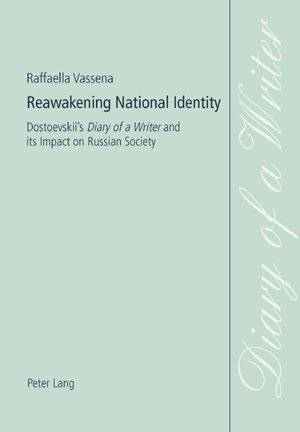
Reawakening National Identity
Dostoevskii's Diary of a Writer and Its Impact on Russian Society
Raffaella Vassena
Paperback | Engels
€ 73,45
+ 146 punten
Omschrijving
The second edition of the Diary of a Writer (1876-1877) marked a crucial point in Dostoevskii's literary career. In spite of critics' attacks, many ordinary readers were overwhelmed by Dostoevskii's charisma and began writing to him from different parts of Russia, expressing their views of the moral, social and political issues dealt with in the Diary. Such success was guaranteed also by the original rhetorical style of the Diary of a Writer, which aimed to involve readers and persuade them to share Dostoevskii's beliefs. By concentrating on new material, consisting of correspondence between Dostoevskii and his readers, and applying a new methodology, reader-response criticism and genre studies, the author investigates how Dostoevskii's rhetoric in the Diary of a Writer affected the Russian reading public, transformed Dostoevskii's image in Russian society, and reawakened national identity.
Specificaties
Betrokkenen
- Auteur(s):
- Uitgeverij:
Inhoud
- Aantal bladzijden:
- 234
- Taal:
- Engels
Eigenschappen
- Productcode (EAN):
- 9783039112067
- Verschijningsdatum:
- 14/03/2007
- Uitvoering:
- Paperback
- Formaat:
- Trade paperback (VS)
- Afmetingen:
- 148 mm x 210 mm
- Gewicht:
- 329 g


Alleen bij Standaard Boekhandel
+ 146 punten op je klantenkaart van Standaard Boekhandel
Cadeau

AANGERADEN


Beoordelingen
We publiceren alleen reviews die voldoen aan de voorwaarden voor reviews. Bekijk onze voorwaarden voor reviews.