


- Afhalen na 1 uur in een winkel met voorraad
- Gratis thuislevering in België vanaf € 30
- Ruim aanbod met 7 miljoen producten
- Afhalen na 1 uur in een winkel met voorraad
- Gratis thuislevering in België vanaf € 30
- Ruim aanbod met 7 miljoen producten





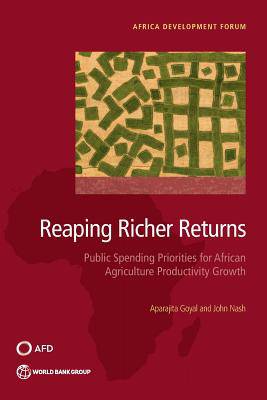
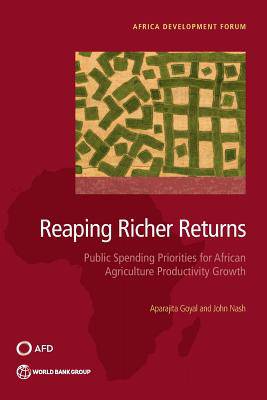
Reaping Richer Returns
Public Spending Priorities for African Agriculture Productivity Growth
Aparajita Goyal, John Nash
€ 64,45
+ 128 punten
Omschrijving
Enhancing the productivity of agriculture is vital for Sub-Saharan Africa's economic future and is one of the most important tools to end extreme poverty and boost shared prosperity in the region. How governments elect to spend public resources has significant development impact in this regard. Choosing to catalyze a shift toward more effective, efficient, and climate-resilient public spending in agriculture can accelerate change and unleash growth. Not only does agricultural public spending in Sub-Saharan Africa lag behind other developing regions but its impact is vitiated by subsidy programs and transfers that tend to benefit elites to the detriment of poor people and the agricultural sector itself. Shortcomings in the budgeting processes also reduce spending effectiveness. In light of this scenario, addressing the quality of public spending and the efficiency of resource use becomes even more important than addressing only the level of spending. Improvements in the policy environment, better institutions, and investments in rural public goods positively affect agricultural productivity. These, combined with smarter use of public funds, have helped lay the foundations for agricultural productivity growth around the world, resulting in a wealth of important lessons from which African policy makers and development practitioners can draw. 'Reaping Richer Returns: Public Spending Priorities for African Agriculture Productivity Growth' will be of particular interest to policy makers, development practitioners, and academics. The rigorous analysis presented in this book provides options for reform with a view to boosting the productivity of African agriculture and eventually increasing development impact.
Specificaties
Betrokkenen
- Auteur(s):
- Uitgeverij:
Inhoud
- Aantal bladzijden:
- 350
- Taal:
- Engels
- Reeks:
Eigenschappen
- Productcode (EAN):
- 9781464809378
- Verschijningsdatum:
- 10/03/2017
- Uitvoering:
- Paperback
- Formaat:
- Trade paperback (VS)
- Afmetingen:
- 150 mm x 226 mm
- Gewicht:
- 430 g


Alleen bij Standaard Boekhandel
+ 128 punten op je klantenkaart van Standaard Boekhandel
Cadeau

AANGERADEN


Beoordelingen
We publiceren alleen reviews die voldoen aan de voorwaarden voor reviews. Bekijk onze voorwaarden voor reviews.