


- Afhalen na 1 uur in een winkel met voorraad
- Gratis thuislevering in België vanaf € 30
- Ruim aanbod met 7 miljoen producten
- Afhalen na 1 uur in een winkel met voorraad
- Gratis thuislevering in België vanaf € 30
- Ruim aanbod met 7 miljoen producten





€ 160,45
+ 320 punten
Omschrijving
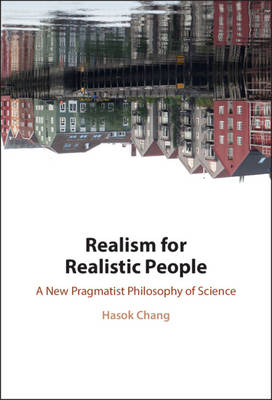
In this innovative book, Hasok Chang constructs a philosophy of science for 'realistic people' interested in understanding and promoting the actual practices of inquiry in science and other knowledge-focused areas of life. Inspired by pragmatist philosophy, he reconceives the very notions of reality and truth on the basis of his concept of the 'operational coherence' of epistemic activities, and offers new pragmatist conceptions of truth and reality as operational ideals achievable in actual scientific practice. Rejecting the version of scientific realism that is concerned with claiming that our theories correspond to an ultimate reality, he proposes instead an 'activist realism': a commitment to do all that we can actually do to improve our knowledge of realities. His book will appeal to scholars and students in philosophy, science and the history of science, and all who are concerned about the place of science and empirical truth in society.
Specificaties
Betrokkenen
- Auteur(s):
- Uitgeverij:
Inhoud
- Aantal bladzijden:
- 296
- Taal:
- Engels
Eigenschappen
- Productcode (EAN):
- 9781108470384
- Verschijningsdatum:
- 13/10/2022
- Uitvoering:
- Hardcover
- Formaat:
- Genaaid
- Afmetingen:
- 152 mm x 229 mm
- Gewicht:
- 562 g


Alleen bij Standaard Boekhandel
+ 320 punten op je klantenkaart van Standaard Boekhandel
Cadeau

AANGERADEN


Beoordelingen
We publiceren alleen reviews die voldoen aan de voorwaarden voor reviews. Bekijk onze voorwaarden voor reviews.