


- Afhalen na 1 uur in een winkel met voorraad
- Gratis thuislevering in België vanaf € 30
- Ruim aanbod met 7 miljoen producten
- Afhalen na 1 uur in een winkel met voorraad
- Gratis thuislevering in België vanaf € 30
- Ruim aanbod met 7 miljoen producten





€ 111,30
+ 222 punten
Omschrijving
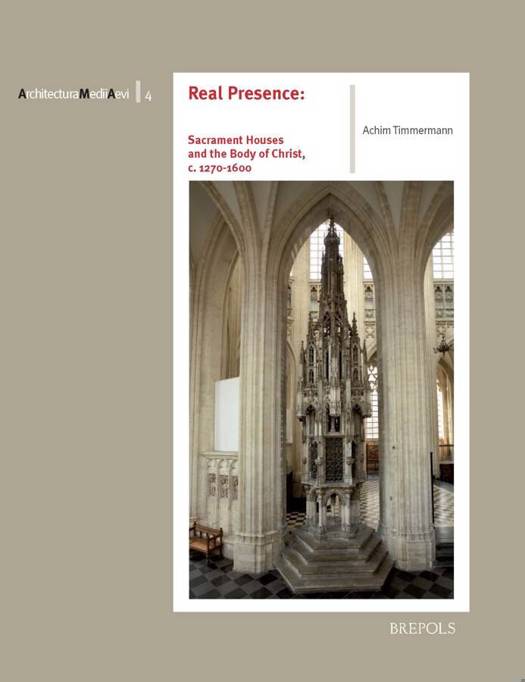
This is the first comprehensive book on the architecture and imagery of late medieval sacrament houses, those dazzlingly complex microarchitectural structures designed for the paraliturgical reservation and display of the eucharistic and 'real present' body of Christ. The study is embedded in a discussion of sacramental theology and devotion, and traces the development of this genre of furnishing from the introduction of the Corpus Christi feast in 1264 to the first decades of the Counter-Reformation, from the Low Countries to Hungary and the Saxon settlements of Transylvania, from the Swedish island of Gotland to the Swiss Canton of Graubunden. Much of the argument is devoted to such major sacrament houses as those in Leuven's Pieterskerk (1450) or St. Lorenz in Nuremberg (1493-6), though provincial solutions like the dugout tabernacles of the Brandenburg Marches are equally considered. The book is intended as a contribution to the study of both Gothic microarchitecture and the role of the visual in late medieval devotional culture.
Specificaties
Betrokkenen
- Auteur(s):
- Uitgeverij:
Inhoud
- Aantal bladzijden:
- 458
- Taal:
- Engels
- Reeks:
- Reeksnummer:
- nr. 4
Eigenschappen
- Productcode (EAN):
- 9782503530123
- Verschijningsdatum:
- 31/03/2010
- Uitvoering:
- Paperback
- Formaat:
- Trade paperback (VS)
- Afmetingen:
- 216 mm x 277 mm
- Gewicht:
- 1043 g


Alleen bij Standaard Boekhandel
+ 222 punten op je klantenkaart van Standaard Boekhandel
Cadeau

AANGERADEN


Beoordelingen
We publiceren alleen reviews die voldoen aan de voorwaarden voor reviews. Bekijk onze voorwaarden voor reviews.