


- Afhalen na 1 uur in een winkel met voorraad
- Gratis thuislevering in België vanaf € 30
- Ruim aanbod met 7 miljoen producten
- Afhalen na 1 uur in een winkel met voorraad
- Gratis thuislevering in België vanaf € 30
- Ruim aanbod met 7 miljoen producten





€ 24,59
+ 24 punten
Uitvoering
Omschrijving
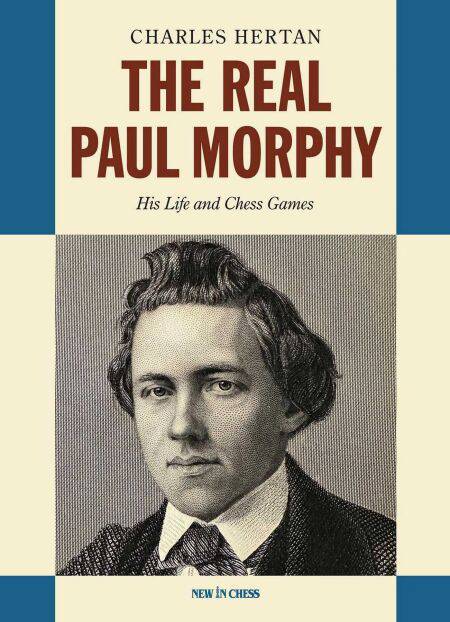
Paul Morphy might well be the most brilliant and enigmatic chess champion of all time. He burst onto the scene in 1858 as a 20-year-old and dominated the chess world for two short years, convincingly defeating all the strongest players. After conquering the European chess scene, Morphy was universally recognized as the greatest player of all time. But at the age of 22 he suddenly and permanently retired from serious competition.
Morphy's greatness shone so brightly that 75 years later he was still considered the greatest by world champions Lasker and Capablanca. He is still revered for his brilliant combinations and other contributions to chess. Bobby Fischer called him 'perhaps the most accurate player who ever lived'. Garry Kasparov regarded him as 'the prototype of the strong 20th century grandmaster' and 'the forefather of modern chess'.
There are many important biographies and game collections about Morphy. Award-winning chess author Charles Hertan brings us something new - a comprehensive modern biography that delves deep into his fascinating history, unearthing new information about Morphy's origins, intertwined with an in-depth exploration of Morphy's games, often overturning over 160 years of previous analysis.
Hertan uses his experience as a professional psychotherapist to shed new light on Morphy's tragic mental deterioration. The author also examines the state of chess before Morphy, wading into the current debate about the role of the great masters Howard Staunton and Adolf Anderssen in chess history, and whether Morphy's time should rightly be called the 'Romantic Era'.
The Real Paul Morphy brings you everything you need to know about Paul Morphy's life, chess and legacy in a single volume.
Morphy's greatness shone so brightly that 75 years later he was still considered the greatest by world champions Lasker and Capablanca. He is still revered for his brilliant combinations and other contributions to chess. Bobby Fischer called him 'perhaps the most accurate player who ever lived'. Garry Kasparov regarded him as 'the prototype of the strong 20th century grandmaster' and 'the forefather of modern chess'.
There are many important biographies and game collections about Morphy. Award-winning chess author Charles Hertan brings us something new - a comprehensive modern biography that delves deep into his fascinating history, unearthing new information about Morphy's origins, intertwined with an in-depth exploration of Morphy's games, often overturning over 160 years of previous analysis.
Hertan uses his experience as a professional psychotherapist to shed new light on Morphy's tragic mental deterioration. The author also examines the state of chess before Morphy, wading into the current debate about the role of the great masters Howard Staunton and Adolf Anderssen in chess history, and whether Morphy's time should rightly be called the 'Romantic Era'.
The Real Paul Morphy brings you everything you need to know about Paul Morphy's life, chess and legacy in a single volume.
Specificaties
Betrokkenen
- Auteur(s):
- Uitgeverij:
Inhoud
- Aantal bladzijden:
- 320
- Taal:
- Engels
Eigenschappen
- Productcode (EAN):
- 9789083382791
- Verschijningsdatum:
- 30/09/2024
- Uitvoering:
- E-book
- Beveiligd met:
- Adobe DRM
- Formaat:
- ePub


Alleen bij Standaard Boekhandel
+ 24 punten op je klantenkaart van Standaard Boekhandel
CADEAU

AANGERADEN


Beoordelingen
We publiceren alleen reviews die voldoen aan de voorwaarden voor reviews. Bekijk onze voorwaarden voor reviews.