


- Afhalen na 1 uur in een winkel met voorraad
- Gratis thuislevering in België vanaf € 30
- Ruim aanbod met 7 miljoen producten
- Afhalen na 1 uur in een winkel met voorraad
- Gratis thuislevering in België vanaf € 30
- Ruim aanbod met 7 miljoen producten





€ 158,95
+ 317 punten
Uitvoering
Omschrijving
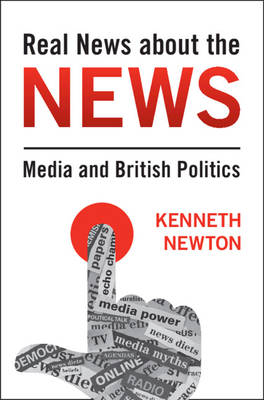
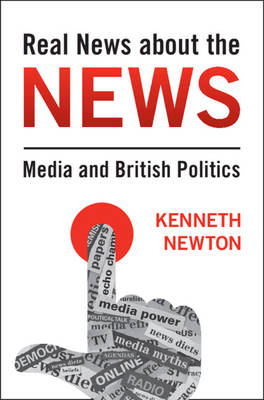
What role does the media play in British politics? There is growing concern that the media environment is biased, and that online news and social media spread fake news, conspiracy theories, propaganda, and foreign interference. Examining TV, radio, newspapers and the internet, Kenneth Newton unravels the real effects of the mainstream and alternative news media. With abundant evidence, Newton demonstrates that, contrary to popular belief: newspapers neither win nor lose elections; nor set election agendas; most citizens have a fairly mixed news diet and do not inhabit echo-chambers; social media influences on political attitudes are generally small and actually expand the range of news people get; impartial and reliable public service news still provides the bulk of the nation's news diet. Evidence shows that the main media effects on political attitudes and behaviour are positive and inform and mobilise citizens rather than influencing their voting choice.
Specificaties
Betrokkenen
- Auteur(s):
- Uitgeverij:
Inhoud
- Aantal bladzijden:
- 202
- Taal:
- Engels
Eigenschappen
- Productcode (EAN):
- 9781009387033
- Verschijningsdatum:
- 1/02/2024
- Uitvoering:
- Hardcover
- Formaat:
- Genaaid
- Afmetingen:
- 152 mm x 229 mm
- Gewicht:
- 439 g


Alleen bij Standaard Boekhandel
+ 317 punten op je klantenkaart van Standaard Boekhandel
Cadeau

AANGERADEN


Beoordelingen
We publiceren alleen reviews die voldoen aan de voorwaarden voor reviews. Bekijk onze voorwaarden voor reviews.