


- Afhalen na 1 uur in een winkel met voorraad
- Gratis thuislevering in België vanaf € 30
- Ruim aanbod met 7 miljoen producten
- Afhalen na 1 uur in een winkel met voorraad
- Gratis thuislevering in België vanaf € 30
- Ruim aanbod met 7 miljoen producten





€ 33,95
+ 67 punten
Omschrijving
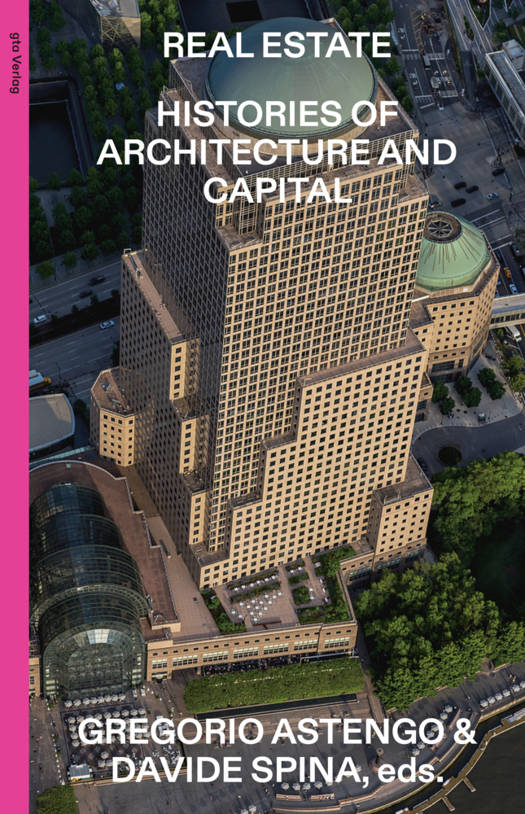
It is often assumed that architects and urban planners shape our cities for aesthetic and social ends. Since the onset of global capitalism, however, urban expansion worldwide has been driven largely by developers and builders in the pursuit of profit. Despite the considerable effects of market logic on urban space, decisive mechanisms of this influential industry have remained overlooked. This volume collectively foregrounds the actors behind real estate development - developers and builders but also financiers and media strategists - as producers of architecture. It presents real estate as an essential object of study for architectural history, describes the necessary methods and evidence, and challenges prevailing understandings of how our cities are designed. It is essential reading for anyone interested in how speculation has shaped the built environment from the eighteenth century to the present.
Specificaties
Betrokkenen
- Uitgeverij:
Inhoud
- Taal:
- Engels
- Reeks:
Eigenschappen
- Productcode (EAN):
- 9783856764852
- Uitvoering:
- Paperback
- Afmetingen:
- 145 mm x 224 mm

Alleen bij Standaard Boekhandel
+ 67 punten op je klantenkaart van Standaard Boekhandel
Cadeau

AANGERADEN


Beoordelingen
We publiceren alleen reviews die voldoen aan de voorwaarden voor reviews. Bekijk onze voorwaarden voor reviews.