


- Afhalen na 1 uur in een winkel met voorraad
- Gratis thuislevering in België vanaf € 30
- Ruim aanbod met 7 miljoen producten
- Afhalen na 1 uur in een winkel met voorraad
- Gratis thuislevering in België vanaf € 30
- Ruim aanbod met 7 miljoen producten





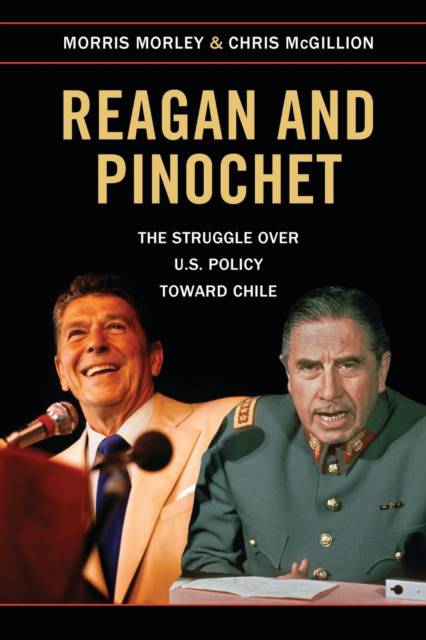
Reagan and Pinochet
The Struggle Over Us Policy Toward Chile
Morris Morley, Chris McGillion
Paperback | Engels
€ 59,45
+ 118 punten
Uitvoering
Omschrijving
This book is the first comprehensive study of the Reagan administration's policy toward the military dictatorship of General Augusto Pinochet in Chile. Based on new primary and archival materials, as well as on original interviews with former U.S. and Chilean officials, it traces the evolution of Reagan policy from an initial "close embrace" of the junta to a reevaluation of whether Pinochet was a risk to long-term U.S. interests in Chile and, finally, to an acceptance in Washington of the need to push for a return to democracy. It provides fresh insights into the bureaucratic conflicts that were a key part of the Reagan decision-making process and reveals not only the successes but also the limits of U.S. influence on Pinochet's regime - centered around the challenge of creating a viable civilian alternative that was acceptable to both the junta and Washington. Finally, it contributes to the ongoing debate about the U.S. approach toward democracy promotion in the Third World over the past half century.
Specificaties
Betrokkenen
- Auteur(s):
- Uitgeverij:
Inhoud
- Aantal bladzijden:
- 354
- Taal:
- Engels
Eigenschappen
- Productcode (EAN):
- 9781107458093
- Verschijningsdatum:
- 2/02/2015
- Uitvoering:
- Paperback
- Formaat:
- Trade paperback (VS)
- Afmetingen:
- 150 mm x 226 mm
- Gewicht:
- 476 g


Alleen bij Standaard Boekhandel
+ 118 punten op je klantenkaart van Standaard Boekhandel
Cadeau

AANGERADEN


Beoordelingen
We publiceren alleen reviews die voldoen aan de voorwaarden voor reviews. Bekijk onze voorwaarden voor reviews.