


- Afhalen na 1 uur in een winkel met voorraad
- Gratis thuislevering in België vanaf € 30
- Ruim aanbod met 7 miljoen producten
- Afhalen na 1 uur in een winkel met voorraad
- Gratis thuislevering in België vanaf € 30
- Ruim aanbod met 7 miljoen producten





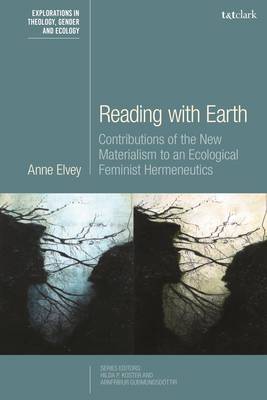
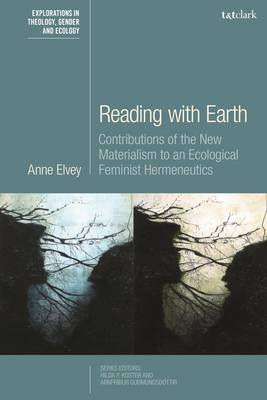
Reading with Earth
Contributions of the New Materialism to an Ecological Feminist Hermeneutics
Anne Elvey
€ 69,45
+ 138 punten
Uitvoering
Omschrijving
Winner of the 2023 ANZATS Award for the Best Monograph by an Established Scholar
Applying a re-envisioned, ecological, feminist hermeneutics, this book builds on two important responses to twentieth- and twenty-first-century situations of ecological trauma, especially the complex contexts of climate change and cross-species relations: first, ecological feminism; second, ecological hermeneutics in the Earth Bible tradition. By way of readings of selected biblical texts, this book suggests that an ecological feminist aesthetic, bringing present situation and biblical text into conversation through engagement with activism and literature, principally poetry, is helpful in decolonizing ethics. Such an approach is both informed by and speaks back to the new materialism in ecological criticism.Specificaties
Betrokkenen
- Auteur(s):
- Uitgeverij:
Inhoud
- Aantal bladzijden:
- 260
- Taal:
- Engels
- Reeks:
Eigenschappen
- Productcode (EAN):
- 9780567708328
- Verschijningsdatum:
- 21/03/2024
- Uitvoering:
- Paperback
- Formaat:
- Trade paperback (VS)
- Afmetingen:
- 156 mm x 234 mm
- Gewicht:
- 367 g


Alleen bij Standaard Boekhandel
+ 138 punten op je klantenkaart van Standaard Boekhandel
Cadeau

AANGERADEN


Beoordelingen
We publiceren alleen reviews die voldoen aan de voorwaarden voor reviews. Bekijk onze voorwaarden voor reviews.