


- Afhalen na 1 uur in een winkel met voorraad
- Gratis thuislevering in België vanaf € 30
- Ruim aanbod met 7 miljoen producten
- Afhalen na 1 uur in een winkel met voorraad
- Gratis thuislevering in België vanaf € 30
- Ruim aanbod met 7 miljoen producten





€ 169,95
+ 339 punten
Omschrijving
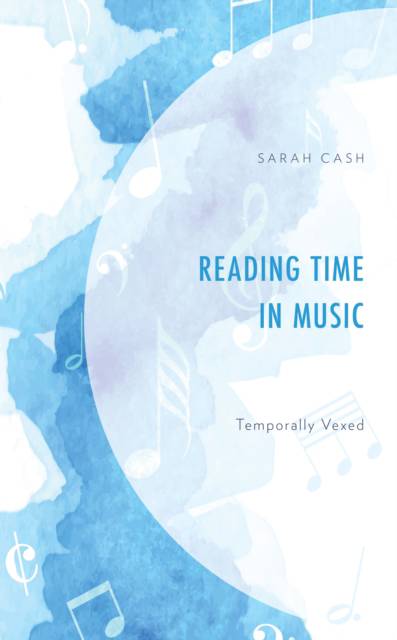
In this book, Sarah Cash examines the intersection of music and temporality in British literature of the long nineteenth century. The sound spaces created at these intersections function as antimimetic resistance to hegemonic structures. Through its temporal multiplicity, music resonates in excess of linear time, revealing a metaphoric soundedness in the text that subverts reader expectation and reveals how seemingly realist nineteenth-century novels transgress the limitations of their classic narratological structures. In even the most apparently "realist" texts, the most extravagant, excessive, and hyperbolic elements exceed the bounds of what we often consider real, disrupting mimetic bias. Cash argues that music offers the most dynamic way to expose this vexed temporality in the text. Through scholarly intervention a disruption of historic classifications show that Victorians are heirs of Romanticism's musical ideals, including the power of music to penetrate and transform space and time and the permanence of sound as it reverberates beyond human perception. Scholars of nineteenth-century literature, temporality, and gender studies will find this book of particular interest.
Specificaties
Betrokkenen
- Auteur(s):
- Uitgeverij:
Inhoud
- Aantal bladzijden:
- 192
- Taal:
- Engels
Eigenschappen
- Productcode (EAN):
- 9781666903492
- Verschijningsdatum:
- 31/03/2023
- Uitvoering:
- Hardcover
- Formaat:
- Genaaid
- Afmetingen:
- 152 mm x 229 mm
- Gewicht:
- 453 g


Alleen bij Standaard Boekhandel
+ 339 punten op je klantenkaart van Standaard Boekhandel
Cadeau

AANGERADEN


Beoordelingen
We publiceren alleen reviews die voldoen aan de voorwaarden voor reviews. Bekijk onze voorwaarden voor reviews.