


- Afhalen na 1 uur in een winkel met voorraad
- Gratis thuislevering in België vanaf € 30
- Ruim aanbod met 7 miljoen producten
- Afhalen na 1 uur in een winkel met voorraad
- Gratis thuislevering in België vanaf € 30
- Ruim aanbod met 7 miljoen producten





€ 45,95
+ 91 punten
Omschrijving
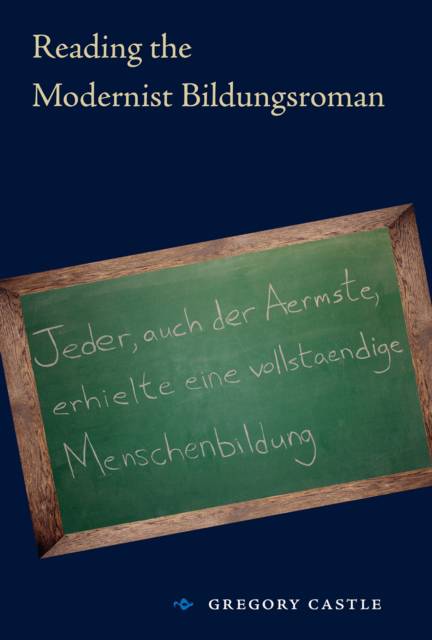
The Bildungsroman is a genre novel whose territory is well traveled, that of a young and often alienated hero on the cusp of maturity, intent on discovering who he or she is and being true to that identity. The German word "Bildung" refers to forming and shaping, and the first Bildungsromane in 18th-century Germany focused on the hero's self-formation. Modernists such as Thomas Hardy, D. H. Lawrence, James Joyce, Oscar Wilde, and Virginia Woolf adopted and reinvigorated the Bildungsroman form as a means of telling stories about longing and transition. With this first major study of the historical context of the English and Irish Bildungsroman, Gregory Castle revisits the genre with a special interest in self-development and identity, as well as the viability of the classical concept of Bildung in the modernist era.
Specificaties
Betrokkenen
- Auteur(s):
- Uitgeverij:
Inhoud
- Aantal bladzijden:
- 340
- Taal:
- Engels
Eigenschappen
- Productcode (EAN):
- 9780813061351
- Verschijningsdatum:
- 15/05/2015
- Uitvoering:
- Paperback
- Formaat:
- Trade paperback (VS)
- Afmetingen:
- 156 mm x 234 mm
- Gewicht:
- 539 g


Alleen bij Standaard Boekhandel
+ 91 punten op je klantenkaart van Standaard Boekhandel
Cadeau

AANGERADEN


Beoordelingen
We publiceren alleen reviews die voldoen aan de voorwaarden voor reviews. Bekijk onze voorwaarden voor reviews.