


- Afhalen na 1 uur in een winkel met voorraad
- Gratis thuislevering in België vanaf € 30
- Ruim aanbod met 7 miljoen producten
- Afhalen na 1 uur in een winkel met voorraad
- Gratis thuislevering in België vanaf € 30
- Ruim aanbod met 7 miljoen producten





€ 41,45
+ 82 punten
Omschrijving
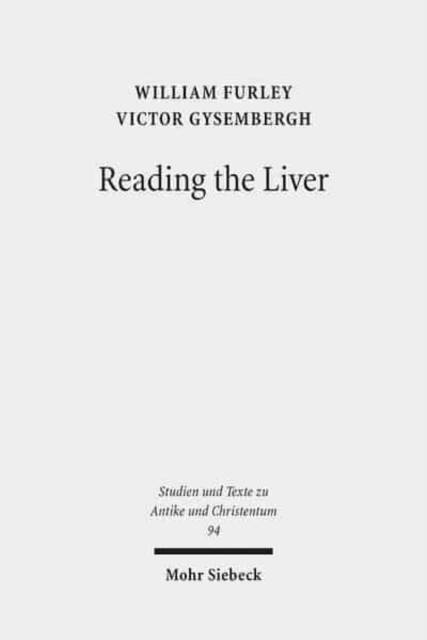
William Furley and Victor Gysembergh bring together in a new edition the papyrus fragments of ancient Greek manuals of extispicy, that is, the inspection of animal entrails to predict the future. From art and literature we already know that the practice was important throughout the historical period in military and civic life, representing a widespread and respected way of taking the omens before embarking on any venture. Now, for the first time, the papyrological texts relating to this branch of the ancient mantic art have been collected, reedited and interpreted. The results show a refined and arcane art relating to the parts and appearance of the sheep's liver expressed in a symbolic language all its own. In particular the authors examine the question of the degree to which this Greek pseudo-science derives from Mesopotamian extispicy, as has often been claimed.
Specificaties
Betrokkenen
- Auteur(s):
- Uitgeverij:
Inhoud
- Aantal bladzijden:
- 123
- Taal:
- Engels
- Reeks:
- Reeksnummer:
- nr. 94
Eigenschappen
- Productcode (EAN):
- 9783161538902
- Verschijningsdatum:
- 1/06/2015
- Uitvoering:
- Paperback
- Formaat:
- Trade paperback (VS)
- Afmetingen:
- 155 mm x 231 mm
- Gewicht:
- 226 g


Alleen bij Standaard Boekhandel
+ 82 punten op je klantenkaart van Standaard Boekhandel
Cadeau

AANGERADEN


Beoordelingen
We publiceren alleen reviews die voldoen aan de voorwaarden voor reviews. Bekijk onze voorwaarden voor reviews.