


- Afhalen na 1 uur in een winkel met voorraad
- Gratis thuislevering in België vanaf € 30
- Ruim aanbod met 7 miljoen producten
- Afhalen na 1 uur in een winkel met voorraad
- Gratis thuislevering in België vanaf € 30
- Ruim aanbod met 7 miljoen producten





Omschrijving
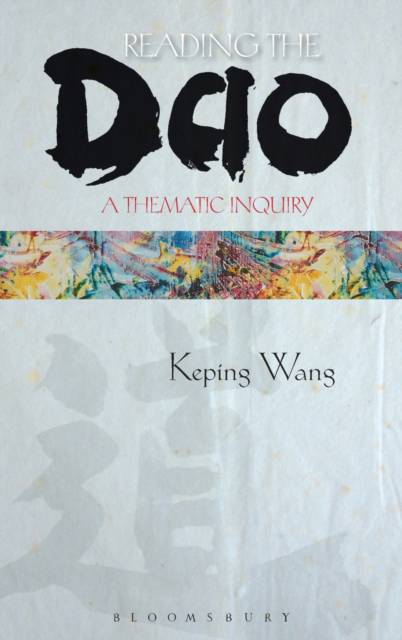
The Dao De Jing represents one of the most important works of Chinese philosophy, in which the author, Lao Zi (c. 580-500 BC), lays the foundations of Taoism. Composed of 81 short sections, the text itself is written in a poetic style that is ambiguous and challenging for the modern reader. Yet while its meaning may be obscure, the text displays the originality of Lao Zi's wisdom and remains a hugely influential work to this day.
In Reading the Dao: A Thematic Inquiry, Wang Keping offers a clear and accessible guide to this hugely important text. Wang's thematic approach opens up key elements of the Dao De Jing in a way that highlights and clarifies the central arguments for the modern reader. Presenting comprehensive textual analysis of key passages and a useful survey of recent Taoist scholarship, the book provides the reader with an insight into the origins of Taoist philosophy. This is the ideal companion to the study of this classic Taoist text.The Dao De Jing represents one of the most important works of Chinese philosophy, in which the author, Lao Zi (c. 580-500 BC), lays the foundations of Taoism. Composed of 81 short sections, the text itself is written in a poetic style that is ambiguous and challenging for the modern reader. Yet while its meaning may be obscure, the text displays the originality of Lao Zi's wisdom and remains a hugely influential work to this day. In Reading the Dao: A Thematic Inquiry, Wang Keping offers a clear and accessible guide to this hugely important text. Wang's thematic approach opens up key elements of the Dao De Jing in a way that highlights and clarifies the central arguments for the modern reader. Presenting comprehensive textual analysis of key passages and a useful survey of recent Taoist scholarship, the book provides the reader with an insight into the origins of Taoist philosophy. This is the ideal companion to the study of this classic Taoist text.
Specificaties
Betrokkenen
- Auteur(s):
- Uitgeverij:
Inhoud
- Aantal bladzijden:
- 200
- Taal:
- Engels
Eigenschappen
- Productcode (EAN):
- 9781441186119
- Verschijningsdatum:
- 20/01/2011
- Uitvoering:
- Hardcover
- Formaat:
- Genaaid
- Afmetingen:
- 137 mm x 211 mm
- Gewicht:
- 299 g


Alleen bij Standaard Boekhandel
+ 831 punten op je klantenkaart van Standaard Boekhandel
Cadeau

AANGERADEN


Beoordelingen
We publiceren alleen reviews die voldoen aan de voorwaarden voor reviews. Bekijk onze voorwaarden voor reviews.