


- Afhalen na 1 uur in een winkel met voorraad
- Gratis thuislevering in België vanaf € 30
- Ruim aanbod met 7 miljoen producten
- Afhalen na 1 uur in een winkel met voorraad
- Gratis thuislevering in België vanaf € 30
- Ruim aanbod met 7 miljoen producten





€ 27,95
+ 55 punten
Uitvoering
Eenvoudig bestellen
Veilig betalen


Gratis thuislevering vanaf € 30 (via bpost)
Gratis levering in je Standaard Boekhandel
Omschrijving
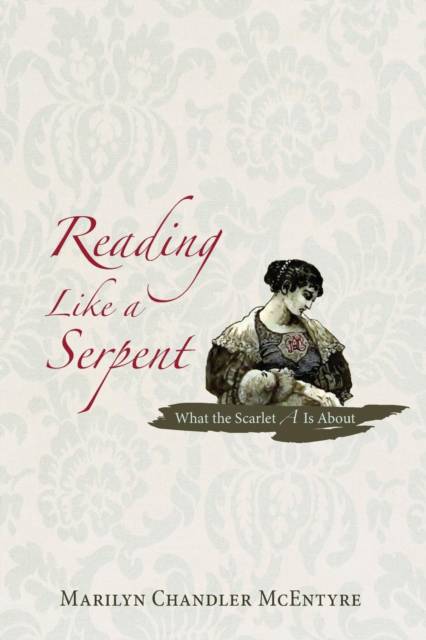
Many remember The Scarlet Letter as required reading for reluctant sixteen year olds. The unnamed, elusive narrator of Hawthorne's "tale of human frailty and sorrow" is--some readers might say maddeningly--indirect, ambiguous, and inconsistent. Readers who hope to arrive at satisfying judgments about the book's four iconic characters--Hester, Arthur, Roger, and Pearl--are often left to arrive at their conclusions by guess and inference. The narrator provides what seems to be willfully incomplete information. His point of view shifts from one moral or historical perspective to another without announcement or apology. Reading Like a Serpent invites readers to reconsider this American classic as Hawthorne's challenge to the American public to become more generous, versatile, and responsible readers--especially of the Bible, a book Hawthorne hoped to rescue from moralistic literalists and legalists, reminding us that "the letter killeth, but the spirit giveth life."
Specificaties
Betrokkenen
- Auteur(s):
- Uitgeverij:
Inhoud
- Aantal bladzijden:
- 144
- Taal:
- Engels
Eigenschappen
- Productcode (EAN):
- 9781610975544
- Verschijningsdatum:
- 1/03/2012
- Uitvoering:
- Paperback
- Formaat:
- Trade paperback (VS)
- Afmetingen:
- 150 mm x 226 mm
- Gewicht:
- 217 g


Alleen bij Standaard Boekhandel
+ 55 punten op je klantenkaart van Standaard Boekhandel
CADEAU

AANGERADEN


Beoordelingen
We publiceren alleen reviews die voldoen aan de voorwaarden voor reviews. Bekijk onze voorwaarden voor reviews.