


- Afhalen na 1 uur in een winkel met voorraad
- Gratis thuislevering in België vanaf € 30
- Ruim aanbod met 7 miljoen producten
- Afhalen na 1 uur in een winkel met voorraad
- Gratis thuislevering in België vanaf € 30
- Ruim aanbod met 7 miljoen producten





€ 195,45
+ 390 punten
Omschrijving
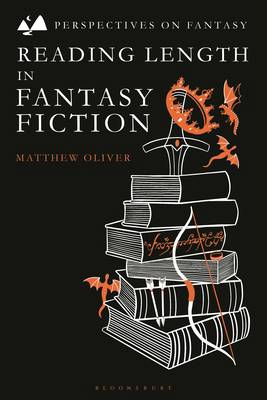
Reframing debates surrounding long narratives to explore their impact, this book develops a critical vocabulary for discussing the formal, social, and political affordances of length and duration in fantasy novels, and by extension, other genres.
Beloved by fans, fantasy books frequently receive dismissive treatment from book reviewers and academics. For literary critics, lengthy narratives have long posed problems: for aesthetic critics, they are too sprawling and unstructured; for the politically engaged, they are suspect as part of a culture industry that commodifies texts. Reading Length in Fantasy Fiction switches up this discussion of long narratives, exploring their use of repetitions, narrative rhythms, and complexly ramifying structures to shape readers' perspectives on such concepts as historical causation, group inclusion, the conflict between traditional values and innovation, and human agency in relation to a complex social totality. As the first book-length study of the length of fantasy novels, this book uses insights from aesthetic theory, phenomenology, and cognitive studies to ask both "what does length do for fantasy narratives?" and also "how does fantasy length help us understand the function of extended duration in narrative?" Calling upon readings from a diverse set of writers including J. R. R. Tolkien, Brandon Sanderson, George R. R. Martin, N. K. Jemisin, Marlon James, Barbara Hambly, Steven Erikson, Samuel Delany and Katharine Kerr, Matthew Oliver illustrates the breadth of approaches structuring long fiction and the impact of strategies for managing length on a range of issues including race, gender, and social class. Finally, offering a critical vocabulary for the formal analysis of length and a set of tools for relating the duration of texts to their social and political consequences, this book presents a major intervention in criticism of the fantastic.Specificaties
Betrokkenen
- Auteur(s):
- Uitgeverij:
Inhoud
- Aantal bladzijden:
- 256
- Taal:
- Engels
- Reeks:
Eigenschappen
- Productcode (EAN):
- 9781350502215
- Verschijningsdatum:
- 19/03/2026
- Uitvoering:
- Hardcover
- Formaat:
- Genaaid
- Afmetingen:
- 156 mm x 234 mm
- Gewicht:
- 535 g


Alleen bij Standaard Boekhandel
+ 390 punten op je klantenkaart van Standaard Boekhandel
Cadeau

AANGERADEN


Beoordelingen
We publiceren alleen reviews die voldoen aan de voorwaarden voor reviews. Bekijk onze voorwaarden voor reviews.