


- Afhalen na 1 uur in een winkel met voorraad
- Gratis thuislevering in België vanaf € 30
- Ruim aanbod met 7 miljoen producten
- Afhalen na 1 uur in een winkel met voorraad
- Gratis thuislevering in België vanaf € 30
- Ruim aanbod met 7 miljoen producten





Omschrijving
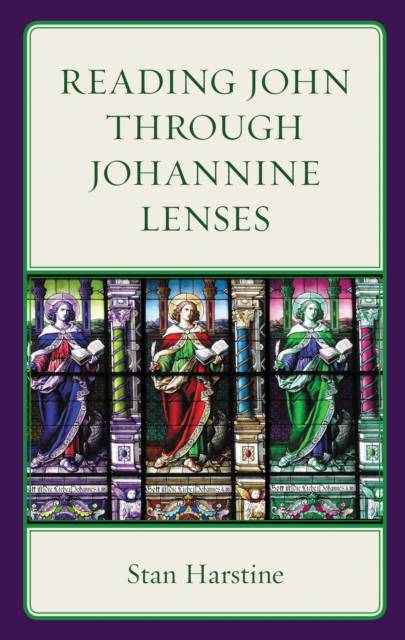
Reading John through Johannine Lenses demonstrates that the model an interpreter chooses for examining the Gospel of John significantly impacts the resulting interpretation. The Fourth Evangelist uses key words in the prologue in order to guide the reader toward key moments in the gospel. Stan Harstine shows how four words- life, word, receive, and believe- converge at transition points in John 5, 12, and 17. Their close relationship is not random; rather, it guides the reader to recall what the Gospel has presented in the preceding section, providing a road map for understanding the narrative. By using interpretive models from both diachronic and synchronic methodologies, Harstine's comparison of traditional historical methods with more recent narrative and rhetorical methods demonstrates the wide disparity of results from prior approaches, thus accentuating the importance of reading the Fourth Gospel through the lenses it provides its readers.
Specificaties
Betrokkenen
- Auteur(s):
- Uitgeverij:
Inhoud
- Aantal bladzijden:
- 144
- Taal:
- Engels
- Reeks:
Eigenschappen
- Productcode (EAN):
- 9781978712935
- Verschijningsdatum:
- 4/02/2022
- Uitvoering:
- Hardcover
- Formaat:
- Genaaid
- Afmetingen:
- 152 mm x 229 mm
- Gewicht:
- 385 g


Alleen bij Standaard Boekhandel
+ 339 punten op je klantenkaart van Standaard Boekhandel
AANGERADEN


Beoordelingen
We publiceren alleen reviews die voldoen aan de voorwaarden voor reviews. Bekijk onze voorwaarden voor reviews.