


- Afhalen na 1 uur in een winkel met voorraad
- Gratis thuislevering in België vanaf € 30
- Ruim aanbod met 7 miljoen producten
- Afhalen na 1 uur in een winkel met voorraad
- Gratis thuislevering in België vanaf € 30
- Ruim aanbod met 7 miljoen producten





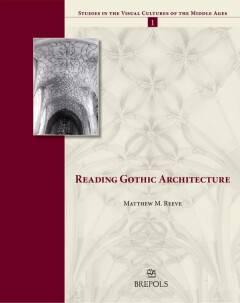
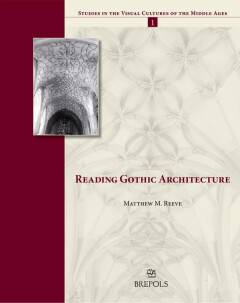
Reading Gothic Architecture
Matthew M. Reeve
€ 68,90
+ 137 punten
Omschrijving
The gothic style is now one of the supreme products of medieval and renaissance visual culture. Subject to multiple readings and (re)interpretations from c. 1500 to the present, gothic stands as one of two dominant languages of European historical architecture. This volume explores methods of reading and interpreting the gothic from the twelfth through the sixteenth century. Following the editor's introduction, it contains ten essays written by leading scholars from Canada, the United States, and Great Britain. In challenging the traditional parameters of gothic, the papers explore 'medieval' and 'renaissance' manifestations of the gothic, and they consider material ranging geographically from Ireland to Poland, and from Paris to Sicily. Each paper explores ways in which gothic was or could be read by the contemporary viewers for which it was designed, and by post-modern commentators. In placing the act of reading at the centre of their investigations, the papers offer significant new insights into the forms and meanings of the gothic. Matthew Reeve teaches visual culture in later medieval Europe at the Department of History, Goldsmith's College, University of London.
Specificaties
Betrokkenen
- Auteur(s):
- Uitgeverij:
Inhoud
- Aantal bladzijden:
- 168
- Taal:
- Engels
- Reeks:
- Reeksnummer:
- nr. 1
Eigenschappen
- Productcode (EAN):
- 9782503525365
- Verschijningsdatum:
- 1/05/2008
- Uitvoering:
- Paperback
- Formaat:
- Trade paperback (VS)
- Afmetingen:
- 224 mm x 279 mm
- Gewicht:
- 748 g


Alleen bij Standaard Boekhandel
+ 137 punten op je klantenkaart van Standaard Boekhandel
Cadeau

AANGERADEN


Beoordelingen
We publiceren alleen reviews die voldoen aan de voorwaarden voor reviews. Bekijk onze voorwaarden voor reviews.