


- Afhalen na 1 uur in een winkel met voorraad
- Gratis thuislevering in België vanaf € 30
- Ruim aanbod met 7 miljoen producten
- Afhalen na 1 uur in een winkel met voorraad
- Gratis thuislevering in België vanaf € 30
- Ruim aanbod met 7 miljoen producten





€ 52,95
+ 105 punten
Uitvoering
Omschrijving
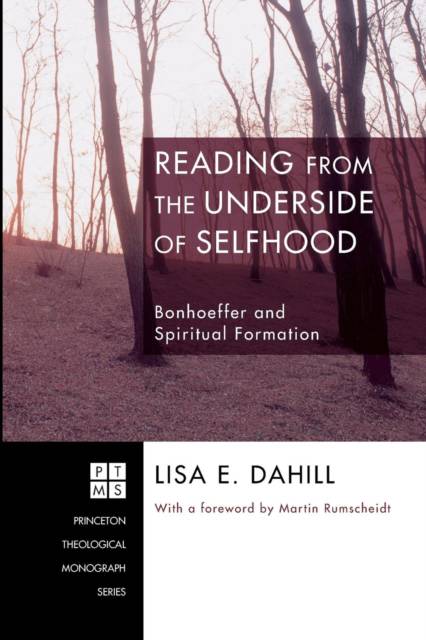
Dietrich Bonhoeffer's example of self-sacrificing discipleship has for over fifty years inspired Christians around the world in both their resistance to evil and their devotion to Jesus Christ. Yet for some readers--particularly those who suffer trauma, abuse, and other forms of violence--Bonhoeffer's insistence on self-sacrifice, on becoming a "person for others," may prove more harmful than liberating. For those already socialized into self-abnegation, uncritical applications of Bonhoeffer's teachings may reinforce submission, rather than resistance, to evil. This study explores Bonhoeffer's understandings of selfhood and spiritual formation, both in his own experience and writings and in light of the role of gender in psycho-spiritual development. The central constructive chapter creates a mediated conversation between Bonhoeffer and these feminist psychologists on the spiritual formation of survivors of trauma and abuse, including not only dimensions of his thinking to be critiqued from this perspective but also important resources he contributes toward a truly liberating Christian spirituality for those on the underside of selfhood. The book concludes with suggestions regarding the broader relevance of this study and implications for ministry. The insights for spiritual formation developed here provide powerful proof of Bonhoeffer's continuing and concretely contextualized relevance for readers across the full spectrum of human selfhood.
Specificaties
Betrokkenen
- Auteur(s):
- Uitgeverij:
Inhoud
- Aantal bladzijden:
- 284
- Taal:
- Engels
- Reeks:
- Reeksnummer:
- nr. 95
Eigenschappen
- Productcode (EAN):
- 9781556354250
- Verschijningsdatum:
- 1/01/2009
- Uitvoering:
- Paperback
- Formaat:
- Trade paperback (VS)
- Afmetingen:
- 150 mm x 226 mm
- Gewicht:
- 408 g


Alleen bij Standaard Boekhandel
+ 105 punten op je klantenkaart van Standaard Boekhandel
AANGERADEN


Beoordelingen
We publiceren alleen reviews die voldoen aan de voorwaarden voor reviews. Bekijk onze voorwaarden voor reviews.