


- Afhalen na 1 uur in een winkel met voorraad
- Gratis thuislevering in België vanaf € 30
- Ruim aanbod met 7 miljoen producten
- Afhalen na 1 uur in een winkel met voorraad
- Gratis thuislevering in België vanaf € 30
- Ruim aanbod met 7 miljoen producten





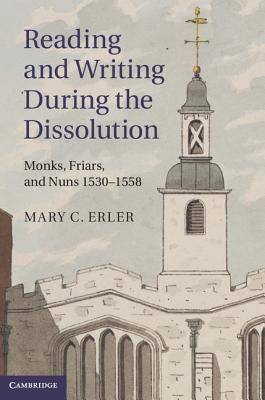
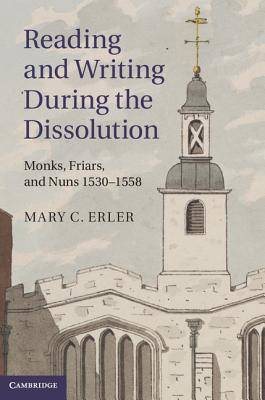
Reading and Writing During the Dissolution
Monks, Friars, and Nuns 1530-1558
Mary C Erler
Hardcover | Engels
€ 125,95
+ 251 punten
Uitvoering
Omschrijving
In the years from 1534 when Henry VIII became head of the English church until the end of Mary Tudor's reign in 1558, the forms of English religious life evolved quickly and in complex ways. At the heart of these changes stood the country's professed religious men and women, whose institutional homes were closed between 1535 and 1540. Records of their reading and writing offer a remarkable view of these turbulent times. The responses to religious change of friars, anchorites, monks and nuns from London and the surrounding regions are shown through chronicles, devotional texts, and letters. What becomes apparent is the variety of positions that English religious men and women took up at the Reformation and the accommodations that they reached, both spiritual and practical. Of particular interest are the extraordinary letters of Margaret Vernon, head of four nunneries and personal friend of Thomas Cromwell.
Specificaties
Betrokkenen
- Auteur(s):
- Uitgeverij:
Inhoud
- Aantal bladzijden:
- 211
- Taal:
- Engels
Eigenschappen
- Productcode (EAN):
- 9781107039797
- Verschijningsdatum:
- 26/08/2013
- Uitvoering:
- Hardcover
- Formaat:
- Genaaid
- Afmetingen:
- 152 mm x 231 mm
- Gewicht:
- 453 g


Alleen bij Standaard Boekhandel
+ 251 punten op je klantenkaart van Standaard Boekhandel
Cadeau

AANGERADEN


Beoordelingen
We publiceren alleen reviews die voldoen aan de voorwaarden voor reviews. Bekijk onze voorwaarden voor reviews.