


- Afhalen na 1 uur in een winkel met voorraad
- Gratis thuislevering in België vanaf € 30
- Ruim aanbod met 7 miljoen producten
- Afhalen na 1 uur in een winkel met voorraad
- Gratis thuislevering in België vanaf € 30
- Ruim aanbod met 7 miljoen producten





€ 108,45
+ 216 punten
Uitvoering
Omschrijving
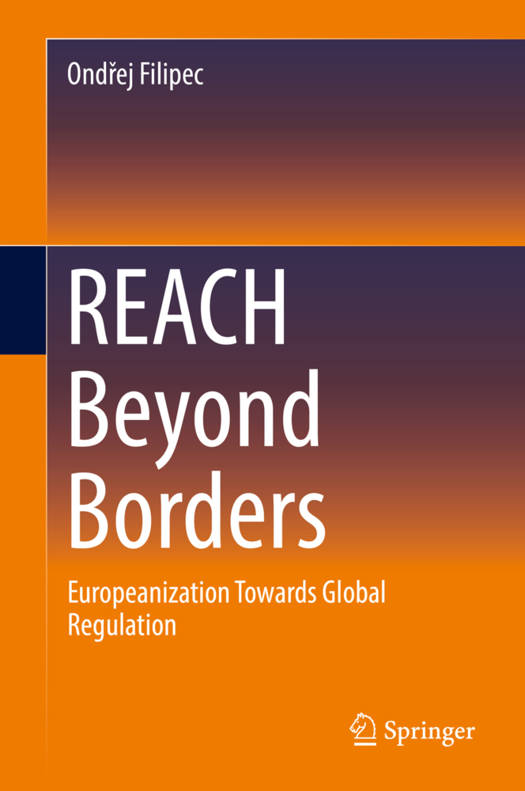
This book discusses how much other countries reflect the EU chemical regulation REACH (Registration, Evaluation, Authorization, Restriction of Chemicals), in the context of Europeanization theory. The main hypothesis verified in this book is that more trade with the EU means more Europeanization (as the non-EU companies exporting to the EU have an obligation to comply with EU rules according to the "No data, No Market" REACH provision). This book further points out that non-EU companies voluntarily adopt EU standards while this change has yet to be reflected on the policy level in non-EU countries, mainly for economic reasons.Exploring changes in national chemical regulatory policies among top chemical producers around the World brings new ideas into the process of Europeanization behind EU borders and provides useful material for academia, regulatory experts and export oriented chemical industry.
Specificaties
Betrokkenen
- Auteur(s):
- Uitgeverij:
Inhoud
- Aantal bladzijden:
- 137
- Taal:
- Engels
Eigenschappen
- Productcode (EAN):
- 9783319541532
- Verschijningsdatum:
- 8/09/2017
- Uitvoering:
- Hardcover
- Formaat:
- Genaaid
- Afmetingen:
- 167 mm x 244 mm
- Gewicht:
- 408 g


Alleen bij Standaard Boekhandel
+ 216 punten op je klantenkaart van Standaard Boekhandel
Cadeau

AANGERADEN


Beoordelingen
We publiceren alleen reviews die voldoen aan de voorwaarden voor reviews. Bekijk onze voorwaarden voor reviews.