


- Afhalen na 1 uur in een winkel met voorraad
- Gratis thuislevering in België vanaf € 30
- Ruim aanbod met 7 miljoen producten
- Afhalen na 1 uur in een winkel met voorraad
- Gratis thuislevering in België vanaf € 30
- Ruim aanbod met 7 miljoen producten





€ 60,95
+ 121 punten
Omschrijving
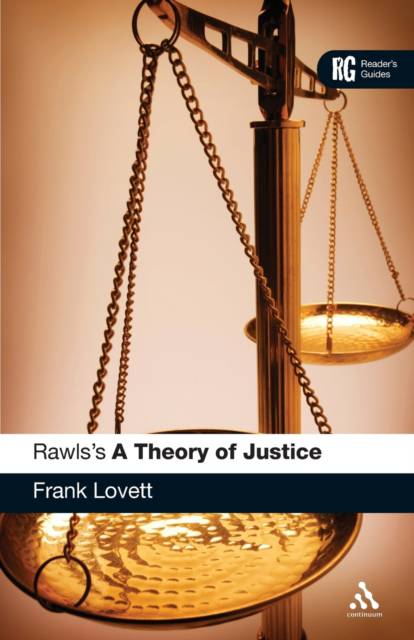
John Rawls's A Theory of Justice, first published in 1971, is arguably the most important work of moral and political philosophy of the twentieth century. A staple on undergraduate courses in political theory, it is a classic text in which Rawls makes an astonishing contribution to political and moral thought
Rawls's 'A Theory of Justice': A Reader's Guide offers a concise and accessible introduction to this hugely important and challenging work. Written specifically to meet the needs of students coming to Rawls for the first time, the book offers guidance on: - Philosophical and historical context- Key themes
- Reading the text
- Reception and influence
- Further reading
Specificaties
Betrokkenen
- Auteur(s):
- Uitgeverij:
Inhoud
- Aantal bladzijden:
- 176
- Taal:
- Engels
- Reeks:
Eigenschappen
- Productcode (EAN):
- 9780826437815
- Verschijningsdatum:
- 6/01/2011
- Uitvoering:
- Paperback
- Formaat:
- Trade paperback (VS)
- Afmetingen:
- 137 mm x 213 mm
- Gewicht:
- 204 g


Alleen bij Standaard Boekhandel
+ 121 punten op je klantenkaart van Standaard Boekhandel
Cadeau

AANGERADEN


Beoordelingen
We publiceren alleen reviews die voldoen aan de voorwaarden voor reviews. Bekijk onze voorwaarden voor reviews.