


- Afhalen na 1 uur in een winkel met voorraad
- Gratis thuislevering in België vanaf € 30
- Ruim aanbod met 7 miljoen producten
- Afhalen na 1 uur in een winkel met voorraad
- Gratis thuislevering in België vanaf € 30
- Ruim aanbod met 7 miljoen producten





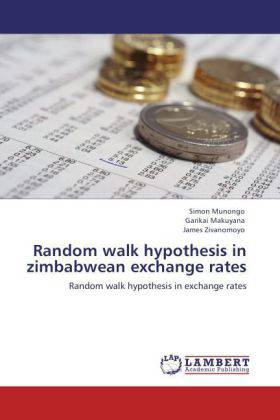
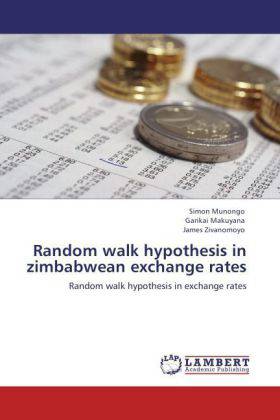
Random walk hypothesis in zimbabwean exchange rates
Random walk hypothesis in exchange rates
Simon Munongo, Garikai Makuyana, James Zivanomoyo
Paperback | Engels
€ 48,45
+ 96 punten
Omschrijving
The Purchasing Power Parity [PPP] theory says the price of internationally traded goods should roughly be the same anywhere in the world once the price is expressed in a common price. The question however is that does this theory hold in an economy that has experienced long period of high inflation. In this study, monthly data from January 2000 to December 2008 was used. Unit root tests were applied to the Zimbabwean exchange rates. Parallel exchange rate was used rather than the fixed official exchange rate as it reflected the market value of the Zimbabwean dollar against other currencies. In carrying out the unit root tests we used a sequential testing technique that assisted to distinguish series that were trend stationary from those that were difference stationary. Results showed that the Zimbabwean exchange rate do not follow a random walk. This implies that the Zimbabwean exchange rate maintained the long run average hence it obeyed the PPP rule. The prices of commodities in Zimbabwe followed the one real price rule despite the high inflation levels that were obtaining during the period under review.
Specificaties
Betrokkenen
- Auteur(s):
- Uitgeverij:
Inhoud
- Aantal bladzijden:
- 56
- Taal:
- Engels
Eigenschappen
- Productcode (EAN):
- 9783846557143
- Uitvoering:
- Paperback


Alleen bij Standaard Boekhandel
+ 96 punten op je klantenkaart van Standaard Boekhandel
AANGERADEN


Beoordelingen
We publiceren alleen reviews die voldoen aan de voorwaarden voor reviews. Bekijk onze voorwaarden voor reviews.