


- Afhalen na 1 uur in een winkel met voorraad
- Gratis thuislevering in België vanaf € 30
- Ruim aanbod met 7 miljoen producten
- Afhalen na 1 uur in een winkel met voorraad
- Gratis thuislevering in België vanaf € 30
- Ruim aanbod met 7 miljoen producten





Omschrijving
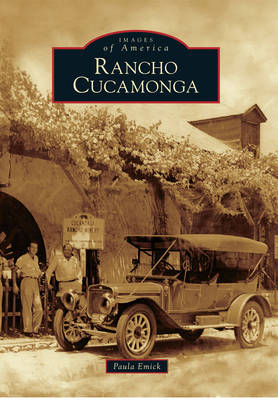
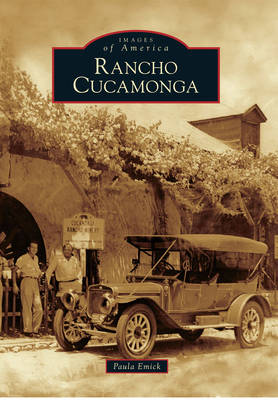
Located at the base of the San Gabriel Mountains near the southern end of the Cajon Pass, Rancho Cucamonga has served as a natural crossroads for those traveling to and from Southern California. In 1776, while freedom was being declared on the east coast of North America, Spanish explorers were meeting native Cucamonga Indians for the first time. From that point on, Spanish missionaries, pioneers, gold miners, immigrants, settlers, and businessmen traveled through Cucamonga on the Mojave Trail, the Old Spanish Trail, the Santa Fe Trail, El Camino Real, and more recently, former U.S. Route 66. While some continued on, others stayed and built farms, vineyards, and more. Italian immigrants, attracted by stories of Cucamonga's ideal soil and climate, planted vast vineyards of Italian grape stock and produced many world-famous wines. Although Cucamonga's heyday of grapes and winemaking spanned a century, little wine is produced today. Now Rancho Cucamonga attracts people as an excellent place to live. Money magazine placed it in the top 100 in its Best Places to Live rankings in 2006.
Specificaties
Betrokkenen
- Auteur(s):
- Uitgeverij:
Inhoud
- Aantal bladzijden:
- 128
- Taal:
- Engels
- Reeks:
Eigenschappen
- Productcode (EAN):
- 9780738575001
- Verschijningsdatum:
- 28/11/2011
- Uitvoering:
- Paperback
- Formaat:
- Trade paperback (VS)
- Afmetingen:
- 165 mm x 231 mm
- Gewicht:
- 299 g


Alleen bij Standaard Boekhandel
+ 69 punten op je klantenkaart van Standaard Boekhandel
Cadeau

AANGERADEN


Beoordelingen
We publiceren alleen reviews die voldoen aan de voorwaarden voor reviews. Bekijk onze voorwaarden voor reviews.