


- Afhalen na 1 uur in een winkel met voorraad
- Gratis thuislevering in België vanaf € 30
- Ruim aanbod met 7 miljoen producten
- Afhalen na 1 uur in een winkel met voorraad
- Gratis thuislevering in België vanaf € 30
- Ruim aanbod met 7 miljoen producten





€ 115,45
+ 230 punten
Omschrijving
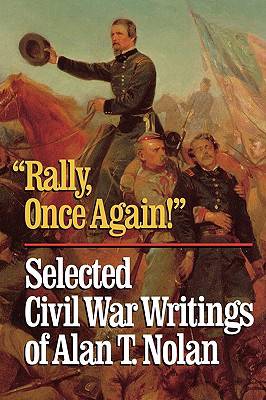
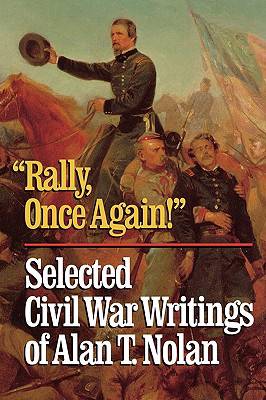
Alan T. Nolan is one of our most esteemed historians of the Civil War. His classic history The Iron Brigade was chosen as one of the "100 best books ever written on the Civil War" by Civil War Times Illustrated. His articles have appeared in such publications as The American Historical Review, Gettysburg Magazine, Civil War, Civil War Times Illustrated, Indiana Magazine of History, and Virginia Magazine of History and Biography and he has been awarded the Nevins-Freeman award by the Chicago Civil War Round Table. Nolan is not the typical Civil-War historian. That he is a top-notch historian, no one can deny. But his legal training at Harvard, his career in the law, and his many years as an officer of the Indiana Historical Society have given him remarkable insights not imaginable by other historians. This new collection of previously published material celebrates Nolan's life-long research and study of the Civil War. Included are essays on the Iron Brigade, Gettysburg, and leaders such as Lincoln, Robert E. Lee, John Gibbon, and Joshua Lawrence Chamberlain. Central to all of the essays is Nolan's admiration for the valor of the common soldier and his conviction that the War was neither romantic nor glorious, though its results-emancipation and the maintenance of the Union-were surely monumental.
Specificaties
Betrokkenen
- Auteur(s):
- Uitgeverij:
Inhoud
- Aantal bladzijden:
- 320
- Taal:
- Engels
Eigenschappen
- Productcode (EAN):
- 9780945612711
- Verschijningsdatum:
- 1/06/2000
- Uitvoering:
- Hardcover
- Formaat:
- Genaaid
- Afmetingen:
- 152 mm x 229 mm
- Gewicht:
- 625 g


Alleen bij Standaard Boekhandel
+ 230 punten op je klantenkaart van Standaard Boekhandel
Cadeau

AANGERADEN


Beoordelingen
We publiceren alleen reviews die voldoen aan de voorwaarden voor reviews. Bekijk onze voorwaarden voor reviews.