


- Afhalen na 1 uur in een winkel met voorraad
- Gratis thuislevering in België vanaf € 30
- Ruim aanbod met 7 miljoen producten
- Afhalen na 1 uur in een winkel met voorraad
- Gratis thuislevering in België vanaf € 30
- Ruim aanbod met 7 miljoen producten





€ 116,60
+ 233 punten
Omschrijving
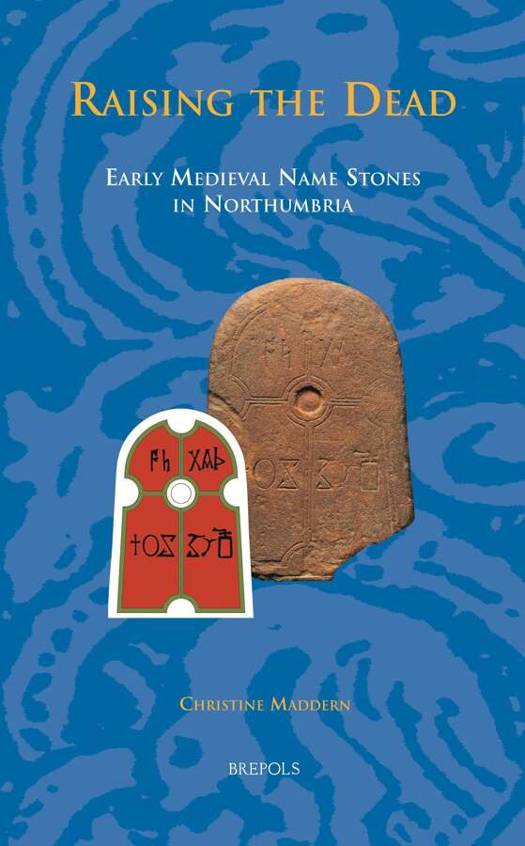
This is the first work to explore and explain the form, function, and theological meaning of Northumbrian name stones, both in their immediate Insular setting and within a wider European context. Earlier studies have concentrated on the archaeological and epigraphic aspects of these monuments, which has resulted in a tentative dating framework but also a blanket designation of 'gravestones'. This book challenges the assumptions behind this designation and focuses on the iconography of name stones as a reflection of theological ideas of the period, based on a central hypothesis that many emulate the format of manuscript pages. The author also addresses the contentious question of the placing of name stones, in particular whether some stones were actually placed in the grave. Her analysis presents not only evidence of differential burial practices within the same Northumbrian cemeteries, but offers parallel examples from other monastic sites in both Britain and the Continent--and significantly broadens the field of argument about early medieval burial practices. In this book, the author combines approaches from ecclesiastical history and iconography, theology, and archaeology to draw out the significance of the Northumbrian name stones and to explore the 'living' presence of the dead in early medieval religious communities.
Specificaties
Betrokkenen
- Auteur(s):
- Uitgeverij:
Inhoud
- Aantal bladzijden:
- 306
- Taal:
- Engels
- Reeks:
- Reeksnummer:
- nr. 38
Eigenschappen
- Productcode (EAN):
- 9782503532189
- Verschijningsdatum:
- 26/08/2013
- Uitvoering:
- Hardcover
- Formaat:
- Genaaid
- Gewicht:
- 706 g


Alleen bij Standaard Boekhandel
+ 233 punten op je klantenkaart van Standaard Boekhandel
Cadeau

AANGERADEN


Beoordelingen
We publiceren alleen reviews die voldoen aan de voorwaarden voor reviews. Bekijk onze voorwaarden voor reviews.