


- Afhalen na 1 uur in een winkel met voorraad
- Gratis thuislevering in België vanaf € 30
- Ruim aanbod met 7 miljoen producten
- Afhalen na 1 uur in een winkel met voorraad
- Gratis thuislevering in België vanaf € 30
- Ruim aanbod met 7 miljoen producten





€ 68,90
+ 137 punten
Omschrijving
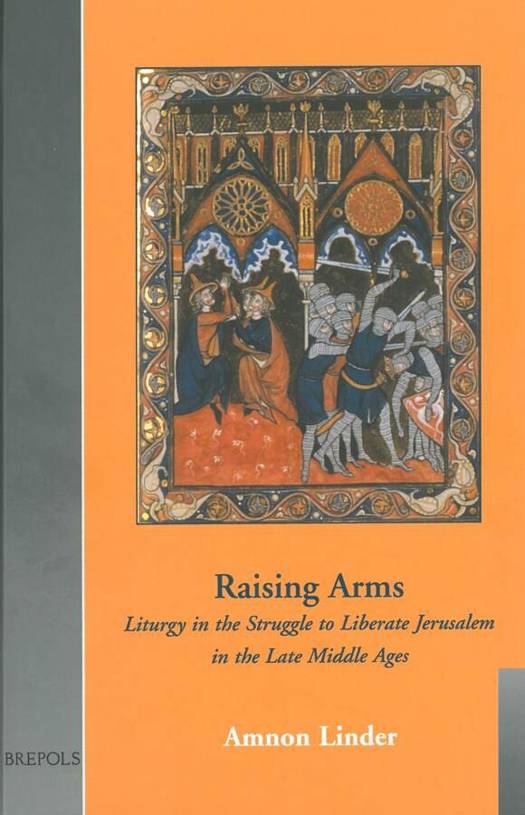
Europe's commitment to the Holy Land and to the crusade was created and shaped through several modes of action, liturgy among them. Rites articulated the collective undertaking of thinking the idea of Jerusalem and experiencing it emotionally, they energized the faithful to raise armies and provide them with the sinews of war, accompanied the crusaders into battle, sung their victories, and lamented their defeats. And rites functioned as effective channels of information and propaganda, for knowledge imparted in church was endorsed with the stamp of ecclesiastical authority and received with due deference by a Christian society. Liturgy runs, therefore, throughout the entire history of the Jerusalem crusade.This monograph opens up a new and hitherto completely unexplored type of primary source material for the study of the Crusades: crusading liturgical texts. For the first time, evidence is offered of liturgical practices that heralded and prepared the way for the First Crusade, as well as those that celebrated its victory and the liturgical practices that were devised after the defeat of Hattin in 1187. The first part of this study presents a critical edition, based on the vast number of extant manuscripts, with textual variants, reflecting the evolution of given liturgical practices in various places and times. For liturgical ritual offered the best framework for educating and forming the minds of the faithful. The second part analyses the ideological content of the crusading liturgy, and the different roles played by the large cultural-political regions (England, France, Germany) and certain religious and political institutions (papacy, monastic orders and states). The opening chapters therefore deal with the Clamor pro Terra Sancta and the Missa pro Terra Sancta (and related liturgies, the Missa contra paganos and Missa contra Turchos), while the latter chapters deal with the 'Festivitas liberationis Hierusalem'.
Specificaties
Betrokkenen
- Auteur(s):
- Uitgeverij:
Inhoud
- Aantal bladzijden:
- 444
- Taal:
- Engels
- Reeks:
- Reeksnummer:
- nr. 2
Eigenschappen
- Productcode (EAN):
- 9782503510927
- Verschijningsdatum:
- 28/03/2003
- Uitvoering:
- Hardcover
- Formaat:
- Genaaid
- Afmetingen:
- 164 mm x 248 mm
- Gewicht:
- 1038 g


Alleen bij Standaard Boekhandel
+ 137 punten op je klantenkaart van Standaard Boekhandel
Cadeau

AANGERADEN


Beoordelingen
We publiceren alleen reviews die voldoen aan de voorwaarden voor reviews. Bekijk onze voorwaarden voor reviews.