


- Afhalen na 1 uur in een winkel met voorraad
- Gratis thuislevering in België vanaf € 30
- Ruim aanbod met 7 miljoen producten
- Afhalen na 1 uur in een winkel met voorraad
- Gratis thuislevering in België vanaf € 30
- Ruim aanbod met 7 miljoen producten





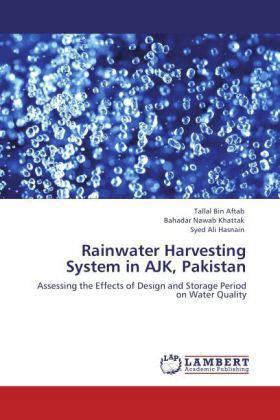
Rainwater Harvesting System in AJK, Pakistan
Assessing the Effects of Design and Storage Period on Water Quality
Tallal Bin Aftab, Bahadar Nawab Khattak, Syed Ali Hasnain
Paperback | Engels
€ 58,45
+ 116 punten
Omschrijving
Fresh water resources especially ground water are getting scarce at a rapid pace in arid and semi-arid countries like Pakistan, due to drastically increased gap between renewable supply and demand. This study assesses the appropriateness of different aspects of rooftop rainwater harvesting system as an alternative of ground water installed at Chitra Topi, a mountainous area in district Bagh, where annual rainfall measures up to 1600mm. Various implementation modes of this practice, design and potential of RRWHS and finally assessment of the water quality of rainwater from households was carried out and analyzed throughout different periods. In village Chitra Topi, mostly women and children fetch few liters of water in small containers from distant springs to meet all domestic needs every day. Based on results, it is concluded that rainwater harvesting systems were shown to be a relatively low cost option for improving a households' geographical and temporal access to a water source, increasing convenience and decreasing collection times.
Specificaties
Betrokkenen
- Auteur(s):
- Uitgeverij:
Inhoud
- Aantal bladzijden:
- 144
- Taal:
- Engels
Eigenschappen
- Productcode (EAN):
- 9783846546499
- Verschijningsdatum:
- 2/11/2011
- Uitvoering:
- Paperback
- Afmetingen:
- 152 mm x 220 mm
- Gewicht:
- 222 g


Alleen bij Standaard Boekhandel
+ 116 punten op je klantenkaart van Standaard Boekhandel
Cadeau

AANGERADEN


Beoordelingen
We publiceren alleen reviews die voldoen aan de voorwaarden voor reviews. Bekijk onze voorwaarden voor reviews.