


- Afhalen na 1 uur in een winkel met voorraad
- Gratis thuislevering in België vanaf € 30
- Ruim aanbod met 7 miljoen producten
- Afhalen na 1 uur in een winkel met voorraad
- Gratis thuislevering in België vanaf € 30
- Ruim aanbod met 7 miljoen producten





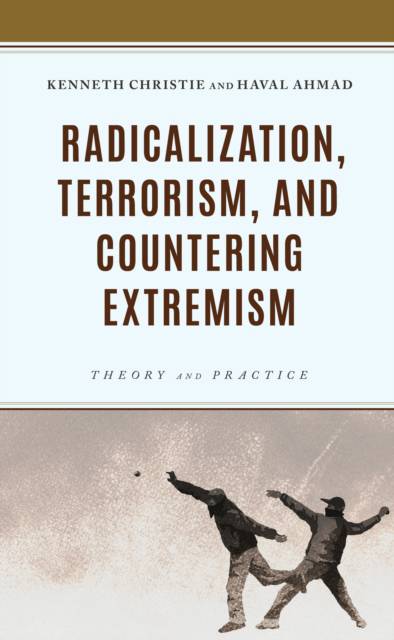
Radicalization, Terrorism, and Countering Extremism
Theory and Practice
Kenneth Christie, Haval Ahmad
Hardcover | Engels
€ 198,45
+ 396 punten
Omschrijving
This book examines the twin phenomena of radicalization and de-radicalization in a global context of political extremism and violent conflict, focusing on the approaches of governments in how they use counterterrorism to respond to radicalization and extremism. By using case studies and comparative analysis, the authors' analysis of both Western and non-Western examples focuses on both theoretical components and practical aspects of the deradicalization process. Subjects covered include the historical context, the contemporary situation, and case studies that illustrate these aspects in different countries and across borders. The conclusions drawn also provide readers with examples of the potential solutions that states have adopted to mitigate the threats and reintegrate extreme militants into society and create a more stable world in which violent conflict is lessened.
Specificaties
Betrokkenen
- Auteur(s):
- Uitgeverij:
Inhoud
- Aantal bladzijden:
- 180
- Taal:
- Engels
Eigenschappen
- Productcode (EAN):
- 9781538160954
- Verschijningsdatum:
- 15/01/2024
- Uitvoering:
- Hardcover
- Formaat:
- Genaaid
- Afmetingen:
- 152 mm x 229 mm
- Gewicht:
- 435 g


Alleen bij Standaard Boekhandel
+ 396 punten op je klantenkaart van Standaard Boekhandel
Cadeau

AANGERADEN


Beoordelingen
We publiceren alleen reviews die voldoen aan de voorwaarden voor reviews. Bekijk onze voorwaarden voor reviews.