


- Afhalen na 1 uur in een winkel met voorraad
- Gratis thuislevering in België vanaf € 30
- Ruim aanbod met 7 miljoen producten
- Afhalen na 1 uur in een winkel met voorraad
- Gratis thuislevering in België vanaf € 30
- Ruim aanbod met 7 miljoen producten





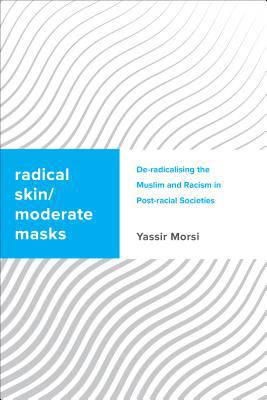
Radical Skin, Moderate Masks
De-Radicalising the Muslim and Racism in Post-Racial Societies
Yassir Morsi
€ 98,45
+ 196 punten
Uitvoering
Omschrijving
Radical Skin, Moderate Masks explores a voice trapped by the War on Terror. How can a Muslim speak about politics? And, in what tone can they argue? In today's climate can they "talk back" without being defined as a moderate or radical? And, what do the conditions put on their political choices reveal about liberalism and its deep and historical relationship with racism? This timely work looks at ongoing debates and how they call for Muslims to engage in a "de-radicalisation" of their voice and identities. The author takes his lessons from Fanon and uses them to make sense of his many readings of Said's Orientalism. He reflects on the personal and scholarly difficulty of writing this very book. An autoethnography follows. It shows (rather than tells of) the felt demand to use a pleasing "Apollonian" liberalism. This approved language, however, erases a Muslim's ability to talk about the "Dionysian" more Asiatic parts of their faith and politics.
Specificaties
Betrokkenen
- Auteur(s):
- Uitgeverij:
Inhoud
- Aantal bladzijden:
- 186
- Taal:
- Engels
- Reeks:
Eigenschappen
- Productcode (EAN):
- 9781783489121
- Verschijningsdatum:
- 1/08/2017
- Uitvoering:
- Paperback
- Formaat:
- Trade paperback (VS)
- Afmetingen:
- 152 mm x 229 mm
- Gewicht:
- 272 g


Alleen bij Standaard Boekhandel
+ 196 punten op je klantenkaart van Standaard Boekhandel
AANGERADEN


Beoordelingen
We publiceren alleen reviews die voldoen aan de voorwaarden voor reviews. Bekijk onze voorwaarden voor reviews.