


- Afhalen na 1 uur in een winkel met voorraad
- Gratis thuislevering in België vanaf € 30
- Ruim aanbod met 7 miljoen producten
- Afhalen na 1 uur in een winkel met voorraad
- Gratis thuislevering in België vanaf € 30
- Ruim aanbod met 7 miljoen producten





€ 213,95
+ 427 punten
Omschrijving
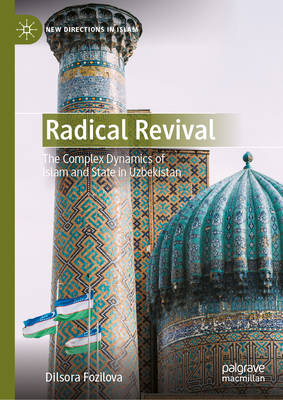
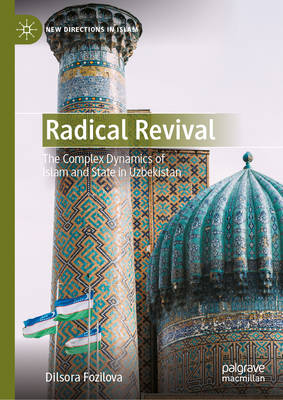
This book offers a nuanced and original analysis of the complex relationship between Islam and the state in post-Soviet Uzbekistan. Situating religious revival within the country's historical, political, and social transformations, it reveals the paradoxical dynamics that have shaped contemporary Islamic life. The study traces how state efforts to promote "official Islam" while repressing "unofficial" expressions have produced unintended consequences, including the radicalization of some believers. By illuminating the dialectical tensions between governance, control, and religious agency, the book provides a groundbreaking account of the power struggles that define Uzbekistan's religious and political landscape. Drawing on historical materials and contemporary data from previously inaccessible sources, it makes a significant contribution to the sociology of religion, political sociology, social scientific studies of Islam, and political science.
Specificaties
Betrokkenen
- Auteur(s):
- Uitgeverij:
Inhoud
- Aantal bladzijden:
- 196
- Taal:
- Engels
- Reeks:
Eigenschappen
- Productcode (EAN):
- 9789819582235
- Verschijningsdatum:
- 29/06/2026
- Uitvoering:
- Hardcover
- Formaat:
- Genaaid
- Afmetingen:
- 148 mm x 210 mm


Alleen bij Standaard Boekhandel
+ 427 punten op je klantenkaart van Standaard Boekhandel
Cadeau

AANGERADEN


Beoordelingen
We publiceren alleen reviews die voldoen aan de voorwaarden voor reviews. Bekijk onze voorwaarden voor reviews.