


- Afhalen na 1 uur in een winkel met voorraad
- Gratis thuislevering in België vanaf € 30
- Ruim aanbod met 7 miljoen producten
- Afhalen na 1 uur in een winkel met voorraad
- Gratis thuislevering in België vanaf € 30
- Ruim aanbod met 7 miljoen producten





€ 103,45
+ 206 punten
Omschrijving
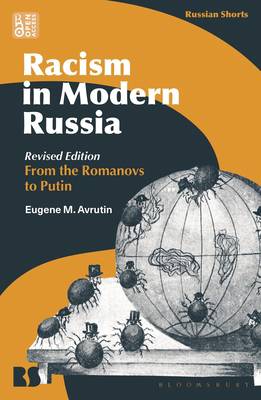
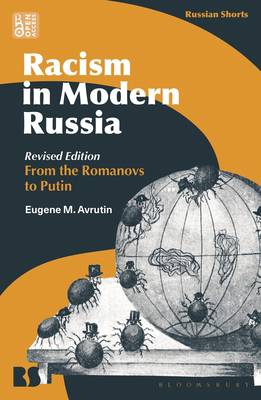
Since its first publication in 2022, Racism in Modern Russia has become a key text for understanding the role that race has played in Russian, Soviet, and post-Soviet history and politics. Analyzing a wide range of printed and visual sources, this timely accessible open access volume marks the first serious attempt to understand the history of racialization over a span of 150 years. A brilliant examination of the complexities of racism, Eugene M. Avrutin's panoramic book asks powerful questions about inequality and privilege, denigration and belonging, power and policy, the creation of exclusionary boundaries in everyday life, and the complex historical links between race, whiteness, and geography.
The revised edition includes significant new research on race and racism in the Caucasus and Central Asia, the history of color consciousness and biopolitics, and the aesthetics of anti-racism campaigns, as well as a thoroughly updated selected bibliography for further reading. The ebook editions of this book are available open access under a CC BY-NC-ND 4.0 licence on bloomsburycollections.com. Open access was funded by the University of Illinois, USA.Specificaties
Betrokkenen
- Auteur(s):
- Uitgeverij:
Inhoud
- Aantal bladzijden:
- 168
- Taal:
- Engels
- Reeks:
Eigenschappen
- Productcode (EAN):
- 9781350557659
- Verschijningsdatum:
- 22/01/2026
- Uitvoering:
- Hardcover
- Formaat:
- Genaaid
- Afmetingen:
- 127 mm x 203 mm
- Gewicht:
- 290 g


Alleen bij Standaard Boekhandel
+ 206 punten op je klantenkaart van Standaard Boekhandel
Cadeau

AANGERADEN


Beoordelingen
We publiceren alleen reviews die voldoen aan de voorwaarden voor reviews. Bekijk onze voorwaarden voor reviews.