


- Afhalen na 1 uur in een winkel met voorraad
- Gratis thuislevering in België vanaf € 30
- Ruim aanbod met 7 miljoen producten
- Afhalen na 1 uur in een winkel met voorraad
- Gratis thuislevering in België vanaf € 30
- Ruim aanbod met 7 miljoen producten





€ 43,45
+ 86 punten
Omschrijving
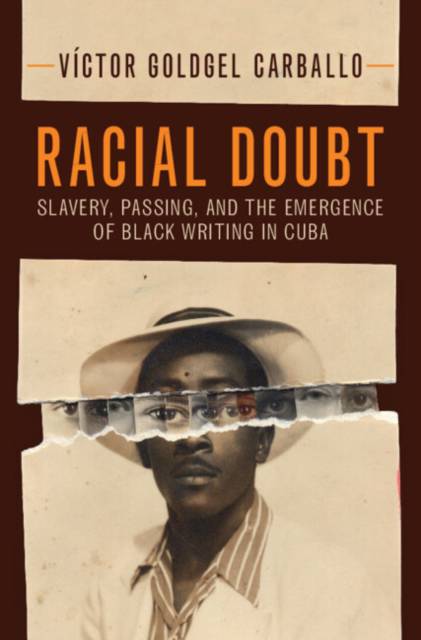
With a focus on nineteenth-century Cuba, Víctor Goldgel Carballo conceptualizes the analytical category of racial doubt: the hesitation produced by divergent, contradictory, or ambiguous understandings of race. Racial doubt is the flip side of racialism, or of the assumption that social hierarchies are based on the existence of races, imagined as natural or prior to those hierarchies. Mapping key moments of a century that witnessed the peak of racial slavery, abolition, and the birth of the Black press, this book shows how captives, free people of color, and Afro-Cuban authors leveraged doubts to overcome racist sociopolitical structures. It interweaves analyses of literature, including poems by enslaved authors and a novel by a mixed-race journalist, with unpublished archival material, including testimonies of kidnapped Afrodescendants. Focusing on how people held multiple views of race simultaneously, it examines debates crucial to the history of the Americas, including color-blindness and shifting understandings of Blackness.
Specificaties
Betrokkenen
- Auteur(s):
- Uitgeverij:
Inhoud
- Aantal bladzijden:
- 294
- Taal:
- Engels
- Reeks:
Eigenschappen
- Productcode (EAN):
- 9781009692885
- Verschijningsdatum:
- 14/05/2026
- Uitvoering:
- Paperback
- Formaat:
- Trade paperback (VS)
- Afmetingen:
- 152 mm x 229 mm
- Gewicht:
- 399 g


Alleen bij Standaard Boekhandel
+ 86 punten op je klantenkaart van Standaard Boekhandel
Cadeau

AANGERADEN


Beoordelingen
We publiceren alleen reviews die voldoen aan de voorwaarden voor reviews. Bekijk onze voorwaarden voor reviews.