


- Afhalen na 1 uur in een winkel met voorraad
- Gratis thuislevering in België vanaf € 30
- Ruim aanbod met 7 miljoen producten
- Afhalen na 1 uur in een winkel met voorraad
- Gratis thuislevering in België vanaf € 30
- Ruim aanbod met 7 miljoen producten





€ 54,95
+ 109 punten
Uitvoering
Omschrijving
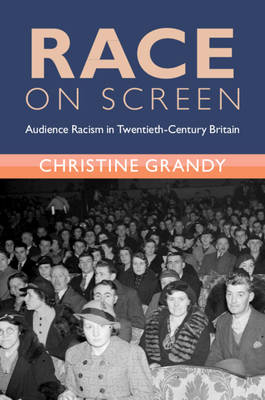
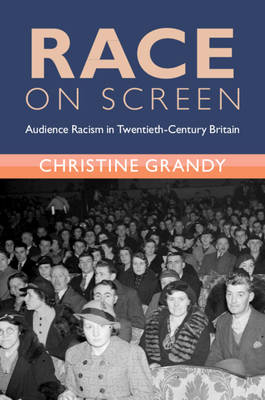
What did audiences want when it came to 'race' on screen in twentieth-century Britain? This was the question that drove producers and makers of film and television as they competed for viewers, and organisations such as the BBC and ITV developed a new field of 'audience research' to address it. Christine Grandy examines how film and television producers, censors and researchers sought to locate audience preferences when it came to presentations of 'race'. Through empire films, home movies and television classics such as Love Thy Neighbour and The Cosby Show, this study explores what was at stake for white British audiences as they consumed material featuring problematic and positive presentations of Black and south Asian people. Race on Screen further uncovers the efforts of Black and south Asian audiences to draw attention to their own roles as overlooked audiences and to name film and television content as racist.
Specificaties
Betrokkenen
- Auteur(s):
- Uitgeverij:
Inhoud
- Aantal bladzijden:
- 304
- Taal:
- Engels
- Reeks:
Eigenschappen
- Productcode (EAN):
- 9781009650939
- Verschijningsdatum:
- 19/02/2026
- Uitvoering:
- Paperback
- Formaat:
- Trade paperback (VS)
- Afmetingen:
- 152 mm x 229 mm
- Gewicht:
- 408 g


Alleen bij Standaard Boekhandel
+ 109 punten op je klantenkaart van Standaard Boekhandel
Cadeau

AANGERADEN


Beoordelingen
We publiceren alleen reviews die voldoen aan de voorwaarden voor reviews. Bekijk onze voorwaarden voor reviews.