


- Afhalen na 1 uur in een winkel met voorraad
- Gratis thuislevering in België vanaf € 30
- Ruim aanbod met 7 miljoen producten
- Afhalen na 1 uur in een winkel met voorraad
- Gratis thuislevering in België vanaf € 30
- Ruim aanbod met 7 miljoen producten





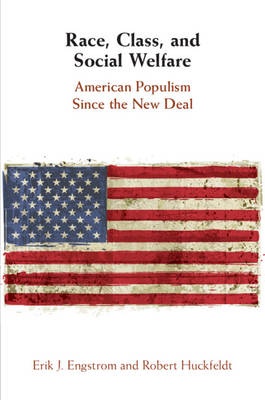
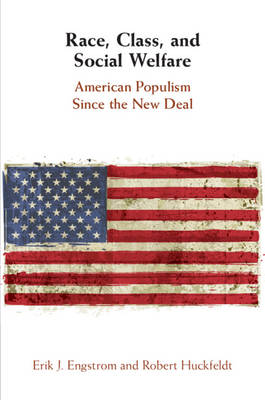
Race, Class, and Social Welfare
American Populism Since the New Deal
Erik J Engstrom, Robert Huckfeldt
Paperback | Engels
€ 47,95
+ 95 punten
Omschrijving
What makes it so difficult to enact and sustain comprehensive social welfare policy that would aid the disadvantaged in the United States? Addressing the relationship between populism and social welfare, this book argues that two competing camps of populists divide American politics. Regressive populists motivated by racial resentment frequently clash with progressive populists, who embrace an expansion of social welfare benefits for the less affluent, regardless of race or ethnicity. Engstrom and Huckfeldt uncover the political forces driving this divided populism, its roots in the aftermath of the civil rights revolution of the mid-twentieth century, and its implications for modern American politics and social welfare policy. Relying on a detailed analysis of party coalitions in the US Congress and the electorate since the New Deal, the authors focus on the intersection between race, class, and oligarchy.
Specificaties
Betrokkenen
- Auteur(s):
- Uitgeverij:
Inhoud
- Aantal bladzijden:
- 214
- Taal:
- Engels
Eigenschappen
- Productcode (EAN):
- 9781108819459
- Verschijningsdatum:
- 6/10/2022
- Uitvoering:
- Paperback
- Formaat:
- Trade paperback (VS)
- Afmetingen:
- 152 mm x 229 mm
- Gewicht:
- 317 g


Alleen bij Standaard Boekhandel
+ 95 punten op je klantenkaart van Standaard Boekhandel
Cadeau

AANGERADEN


Beoordelingen
We publiceren alleen reviews die voldoen aan de voorwaarden voor reviews. Bekijk onze voorwaarden voor reviews.