


- Afhalen na 1 uur in een winkel met voorraad
- Gratis thuislevering in België vanaf € 30
- Ruim aanbod met 7 miljoen producten
- Afhalen na 1 uur in een winkel met voorraad
- Gratis thuislevering in België vanaf € 30
- Ruim aanbod met 7 miljoen producten





€ 65,95
+ 131 punten
Omschrijving
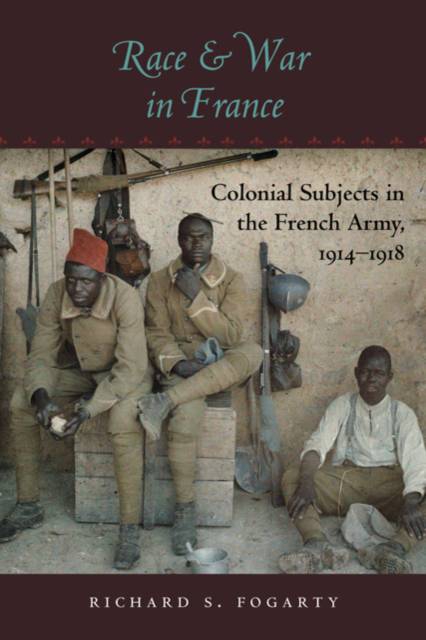
During the First World War, the French army deployed more than 500,000 colonial subjects to European battlefields. The struggle against a common enemy associated these soldiers with the French nation, but racial and cultural differences left them on the outside. This study investigates French conceptions of race and national identity at the time as reflected in the attitudes and policies directed toward these soldiers. How far did French egalitarianism extend in welcoming and disciplining nonwhite troops? Using the experiences of African and Asian colonial soldiers, Richard S. Fogarty examines how tensions between racial prejudices and strong traditions of republican universalism and egalitarianism resulted in often contradictory and paradoxical policies. Employing a socially and culturally integrated approach to the history of warfare that connects military and political policies with the society and culture in which they developed, Fogarty presents a fresh picture of how the French came to deal with race relations, religious differences, and French identity itself.
Specificaties
Betrokkenen
- Auteur(s):
- Uitgeverij:
Inhoud
- Aantal bladzijden:
- 400
- Taal:
- Engels
- Reeks:
Eigenschappen
- Productcode (EAN):
- 9781421407661
- Verschijningsdatum:
- 5/12/2012
- Uitvoering:
- Paperback
- Formaat:
- Trade paperback (VS)
- Afmetingen:
- 152 mm x 229 mm
- Gewicht:
- 498 g



Alleen bij Standaard Boekhandel
+ 131 punten op je klantenkaart van Standaard Boekhandel
AANGERADEN


Beoordelingen
We publiceren alleen reviews die voldoen aan de voorwaarden voor reviews. Bekijk onze voorwaarden voor reviews.