


- Afhalen na 1 uur in een winkel met voorraad
- Gratis thuislevering in België vanaf € 30
- Ruim aanbod met 7 miljoen producten
- Afhalen na 1 uur in een winkel met voorraad
- Gratis thuislevering in België vanaf € 30
- Ruim aanbod met 7 miljoen producten





€ 6,93
+ 6 punten
Omschrijving
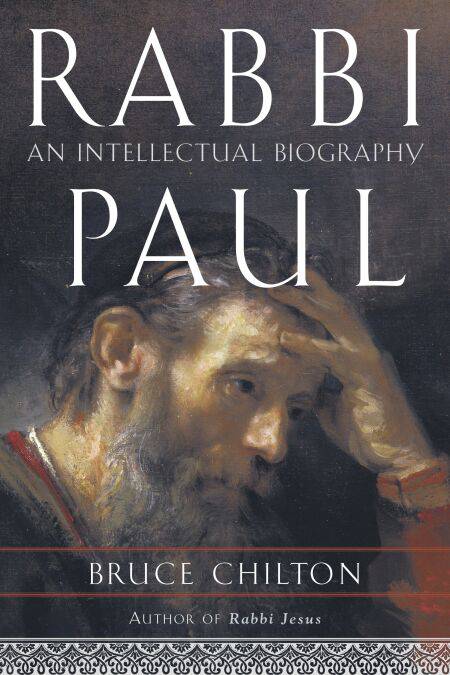
A brilliant new biography of Saint Paul, whose interpretations of the life and teachings of Jesus transformed a loosely organized, grassroots peasant movement into the structured religion we know today
Without Paul, there would be no Christianity. His letters to various churches scattered throughout the Roman Empire articulated, for the first time, the beliefs that make up the heart of Christian practice and faith. In this extraordinary biography, Bruce Chilton explains the changing images of Paul, from the early Church period when he was regarded as the premiere apostle who separated Christianity from Judaism to more recent liberal evaluations, which paint him as an antifeminist, homophobic figure more dedicated to doctrine than to spiritual freedom. By illuminating Paul’s thoughts and contributions within the context of his time, Chilton restores him to his place as the founding architect of the Church and one of the most important figures in Western history.
Rabbi Paul is at once a compelling, highly readable biography and a window on how Jesus’ message was transformed into a religion embraced by millions around the world. Drawing on Paul’s own writings as well as historical and scholarly documents about his life and times, Chilton portrays an all-too-human saint who helped to create both the most beautiful and the most troublesome aspects of the Church. He shows that Paul sought to specify the correct approach to such central concerns as sexuality, obedience, faith, conscience, and spirit, to define religion as an institution, and to clarify the nature of the religious personality—issues that Christians still struggle with today.
Without Paul, there would be no Christianity. His letters to various churches scattered throughout the Roman Empire articulated, for the first time, the beliefs that make up the heart of Christian practice and faith. In this extraordinary biography, Bruce Chilton explains the changing images of Paul, from the early Church period when he was regarded as the premiere apostle who separated Christianity from Judaism to more recent liberal evaluations, which paint him as an antifeminist, homophobic figure more dedicated to doctrine than to spiritual freedom. By illuminating Paul’s thoughts and contributions within the context of his time, Chilton restores him to his place as the founding architect of the Church and one of the most important figures in Western history.
Rabbi Paul is at once a compelling, highly readable biography and a window on how Jesus’ message was transformed into a religion embraced by millions around the world. Drawing on Paul’s own writings as well as historical and scholarly documents about his life and times, Chilton portrays an all-too-human saint who helped to create both the most beautiful and the most troublesome aspects of the Church. He shows that Paul sought to specify the correct approach to such central concerns as sexuality, obedience, faith, conscience, and spirit, to define religion as an institution, and to clarify the nature of the religious personality—issues that Christians still struggle with today.
Specificaties
Betrokkenen
- Auteur(s):
- Uitgeverij:
Inhoud
- Aantal bladzijden:
- 352
- Taal:
- Engels
Eigenschappen
- Productcode (EAN):
- 9780307551054
- Verschijningsdatum:
- 08/06/2010
- Uitvoering:
- E-book
- Beveiligd met:
- Adobe DRM
- Formaat:
- ePub


Alleen bij Standaard Boekhandel
+ 6 punten op je klantenkaart van Standaard Boekhandel
Cadeau

AANGERADEN


Beoordelingen
We publiceren alleen reviews die voldoen aan de voorwaarden voor reviews. Bekijk onze voorwaarden voor reviews.